 Skip to content
One Game One Week
What is One Week One Game?
One Week One Game is a long-term weekly game jam initiated by our lecturer during the first semester of our final year of the bachelor’s program. Each week, we were given a topic/ category along with a constraint with designing and developing a playable game before the following Monday. To train us how rapidly generate ideas and make design decisions under tight time constraints, so that we could be better prepared for our long-term capstone project. This process repeated over six consecutive weeks, resulting in six small playable game demos.
Week 1 - Turn Base | PSX
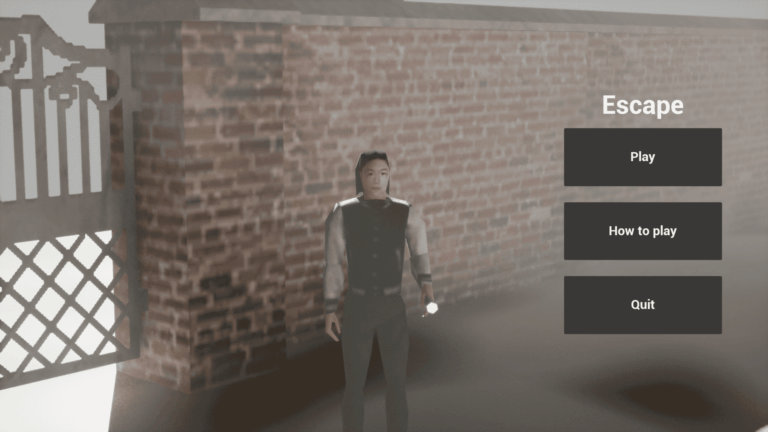
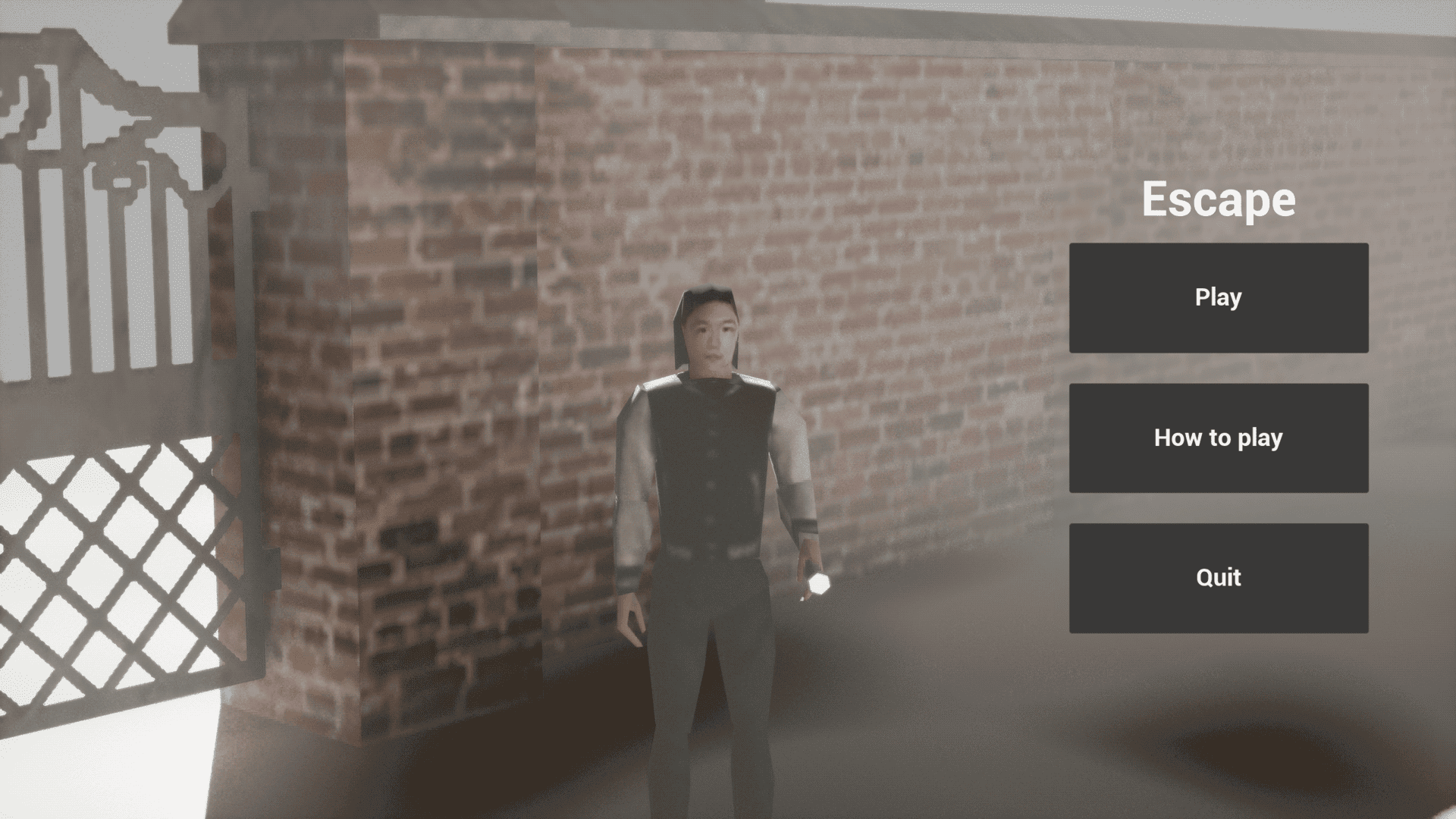
About the game:
You are trapped in a dark, abandoned space. To escape, you must collect five keys while avoiding being hunted by a ghost—and before losing your sanity.
The game progresses in a turn-based rhythm. When the on-screen countdown is white, it is the player’s turn, during which you can move freely. When the countdown turns red, it becomes the ghost’s turn. At the end of each full turn cycle, the player’s Madness Level will increase. Standing during the ghost’s turn will further accelerate the rise in sanity. If it reaches its limit, the game ends in failure.
During the ghost’s turn, the player must crouch to move. Moving while standing will immediately trigger the ghost’s pursuit.
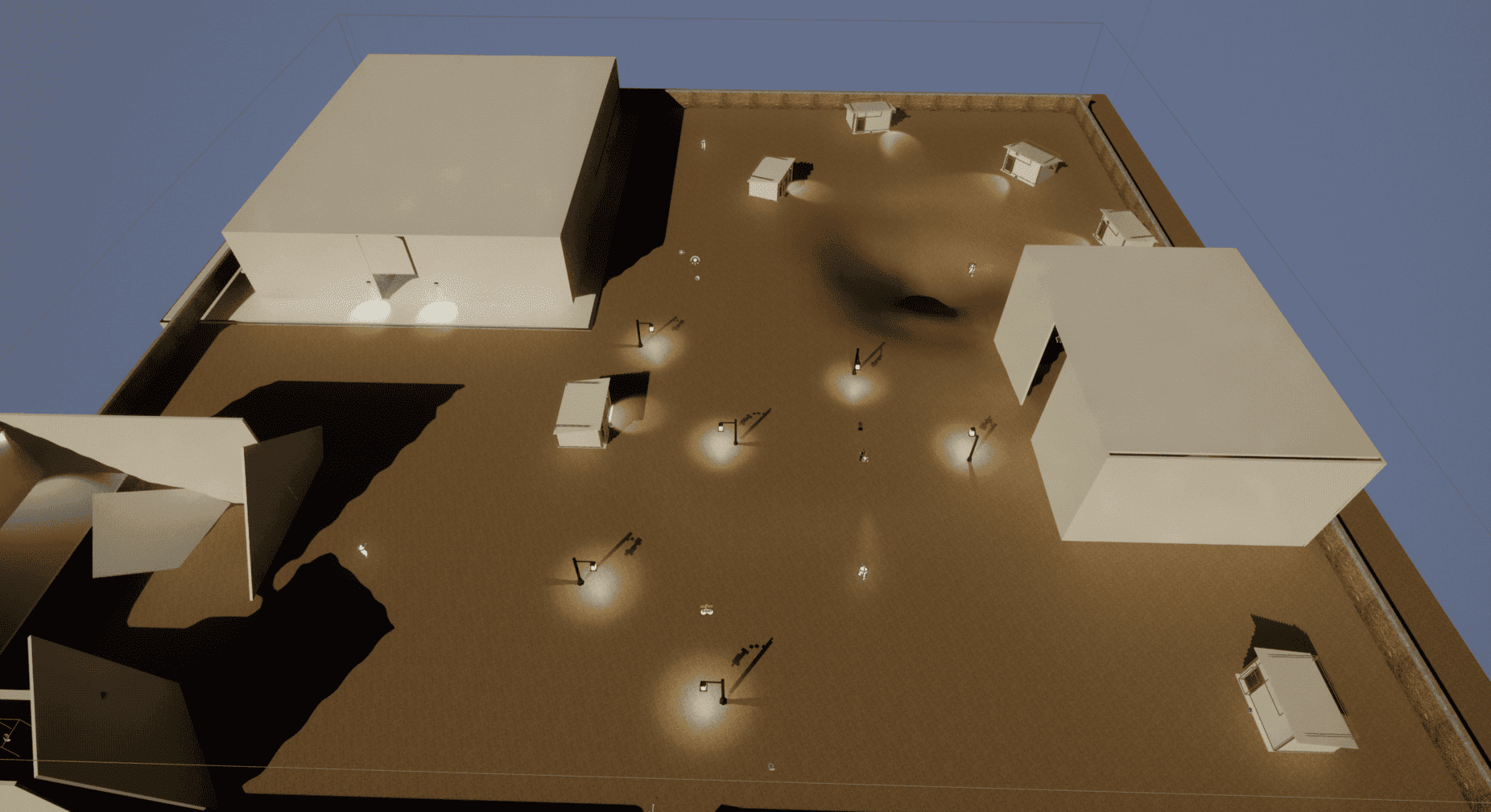
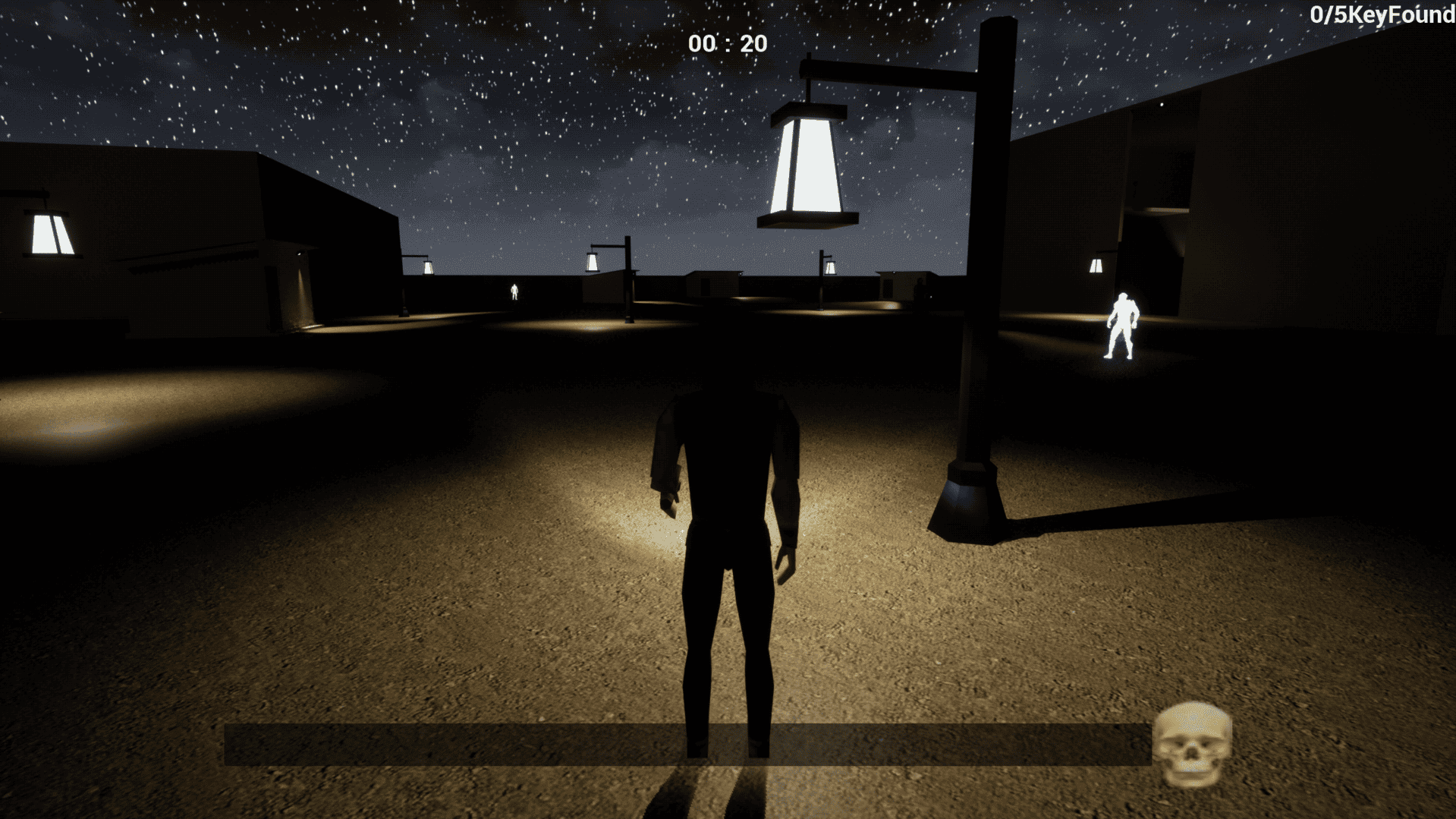
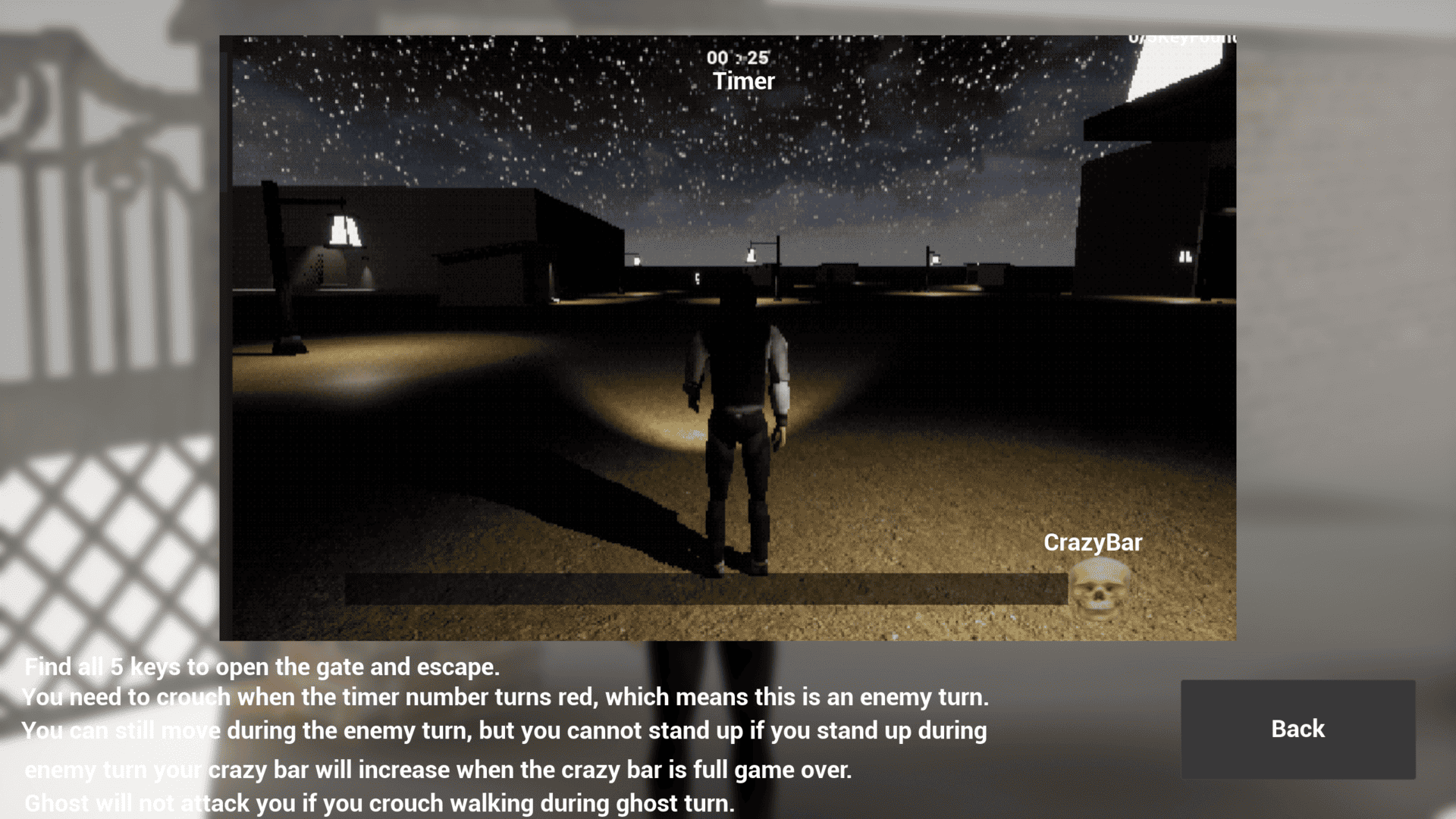
Design Idea:
In traditional turn-based games like Pokémon, the player and enemy take turns to act, with the player losing control during the enemy’s turn and simply waiting. To break this limitation, I aimed to design a game that preserves player agency within a turn-based structure.
In this game, the player can always move: during their own turn, they can stand and run; during the ghost’s turn, they must crouch to move. If the player stands during the enemy’s turn, their madness level will rise. Once it reaches the limit, the game ends in failure. Furthermore, if the player stands and moves during the ghost’s turn, all ghosts in the scene are activated and rush toward the player at high speed—being caught results in instant defeat.
To discourage the player passive waiting during enemy turn, the madness level also increases automatically at the end of each ghost turn, pushing the player to stay active and complete their objectives quickly. These mechanics are designed to preserve the rhythm of turn-based gameplay while introducing real-time pressure, increasing tension, and ensuring the player remains motivated to seek out the keys.
Week 2 - You are not supposed to be here | Economic System
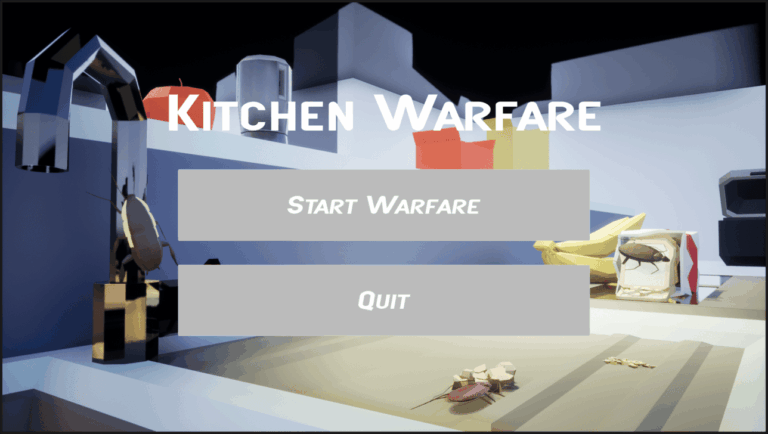
Given Topic:
- You are not supposed to be here
- Economic System
Team of 2 project
Made With Unreal Engine
About the game:
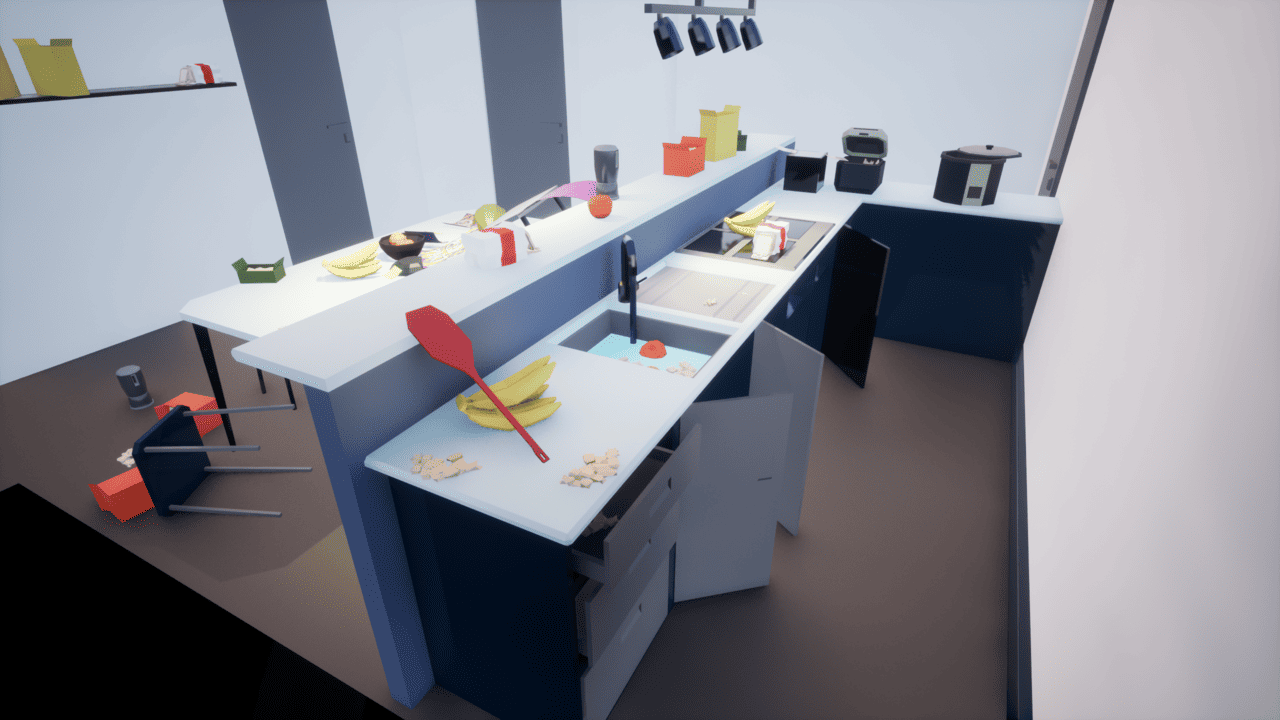
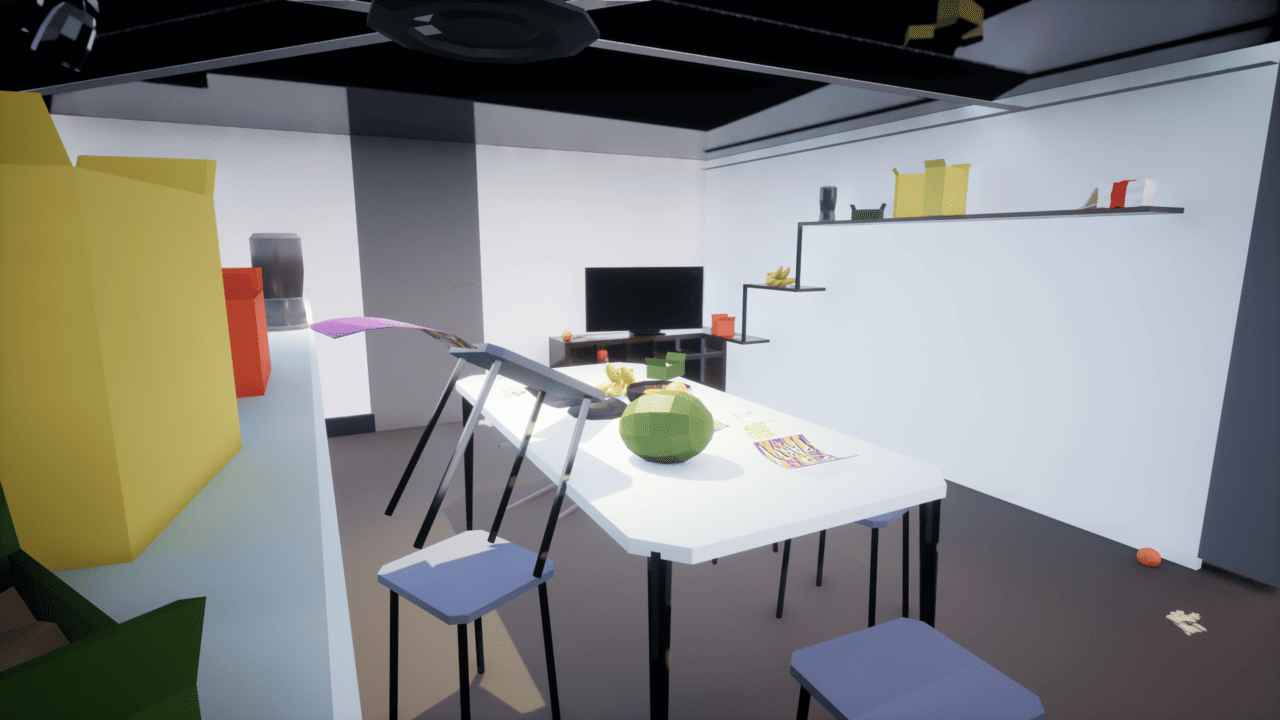
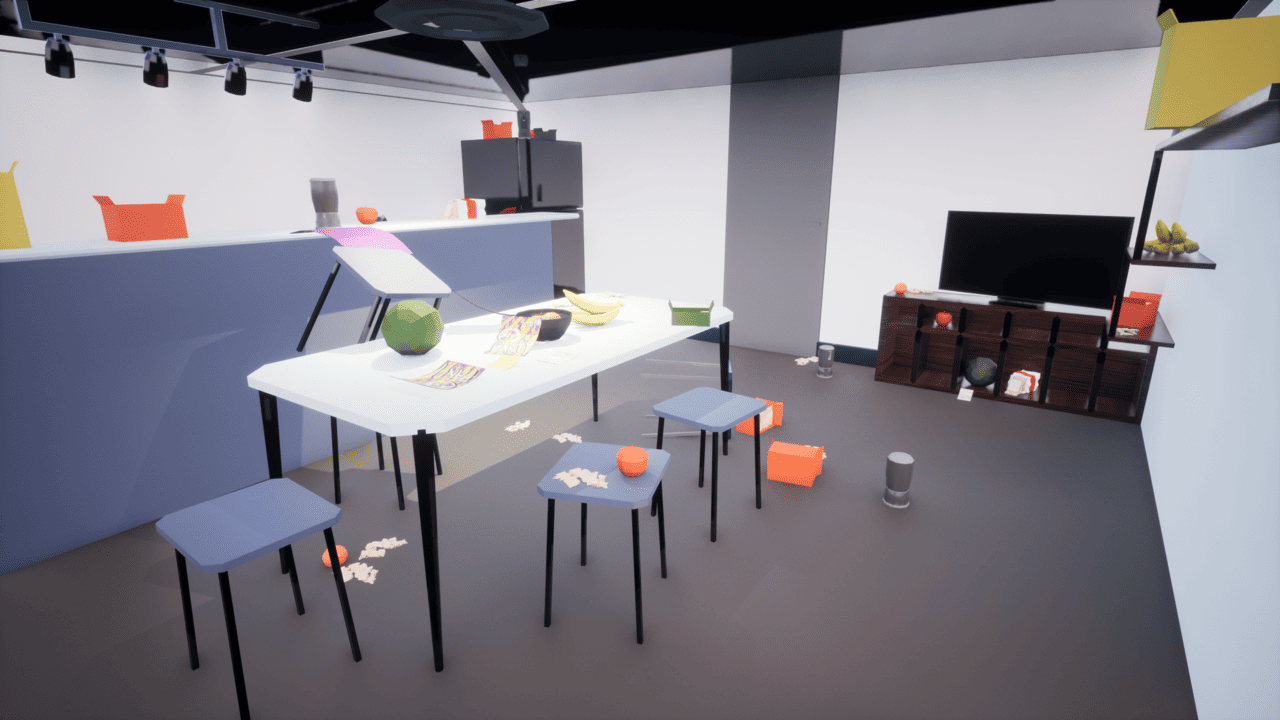
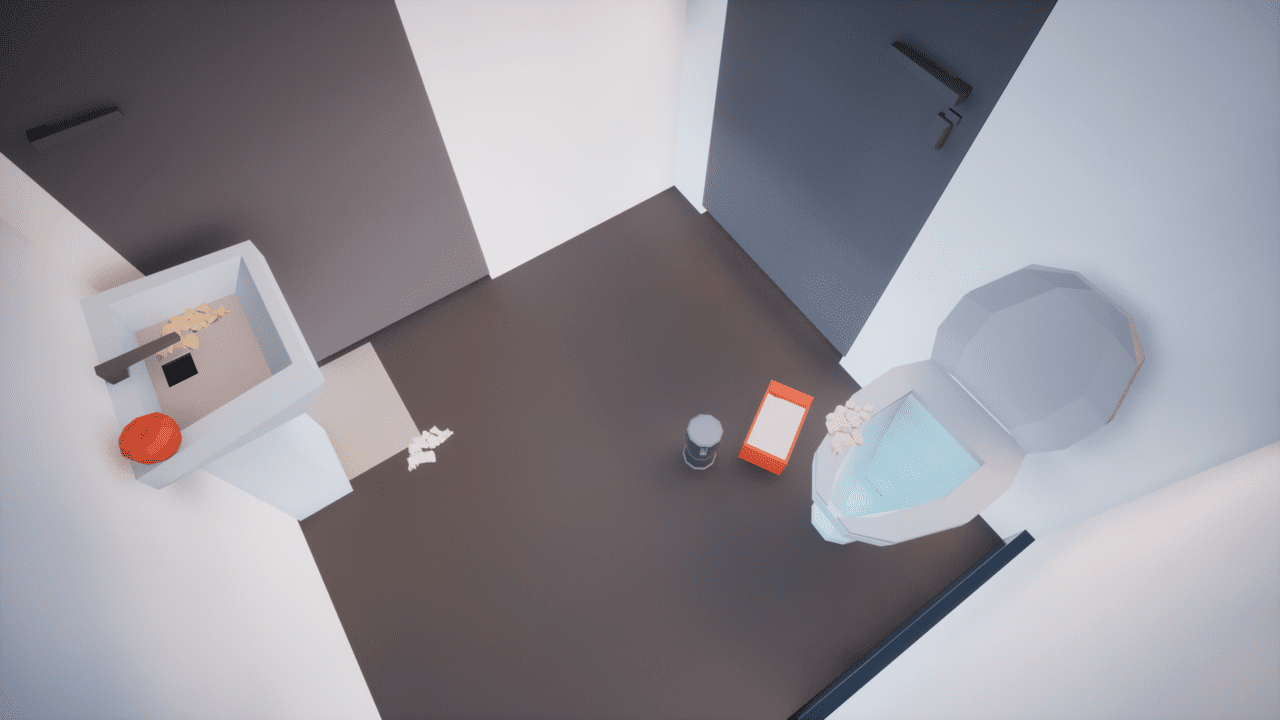
The player takes on the role of a cockroach sneaking into a human-inhabited room in search of food. The objective is to collect and store enough food to meet the target amount displayed in the upper right corner of the screen to win the game.
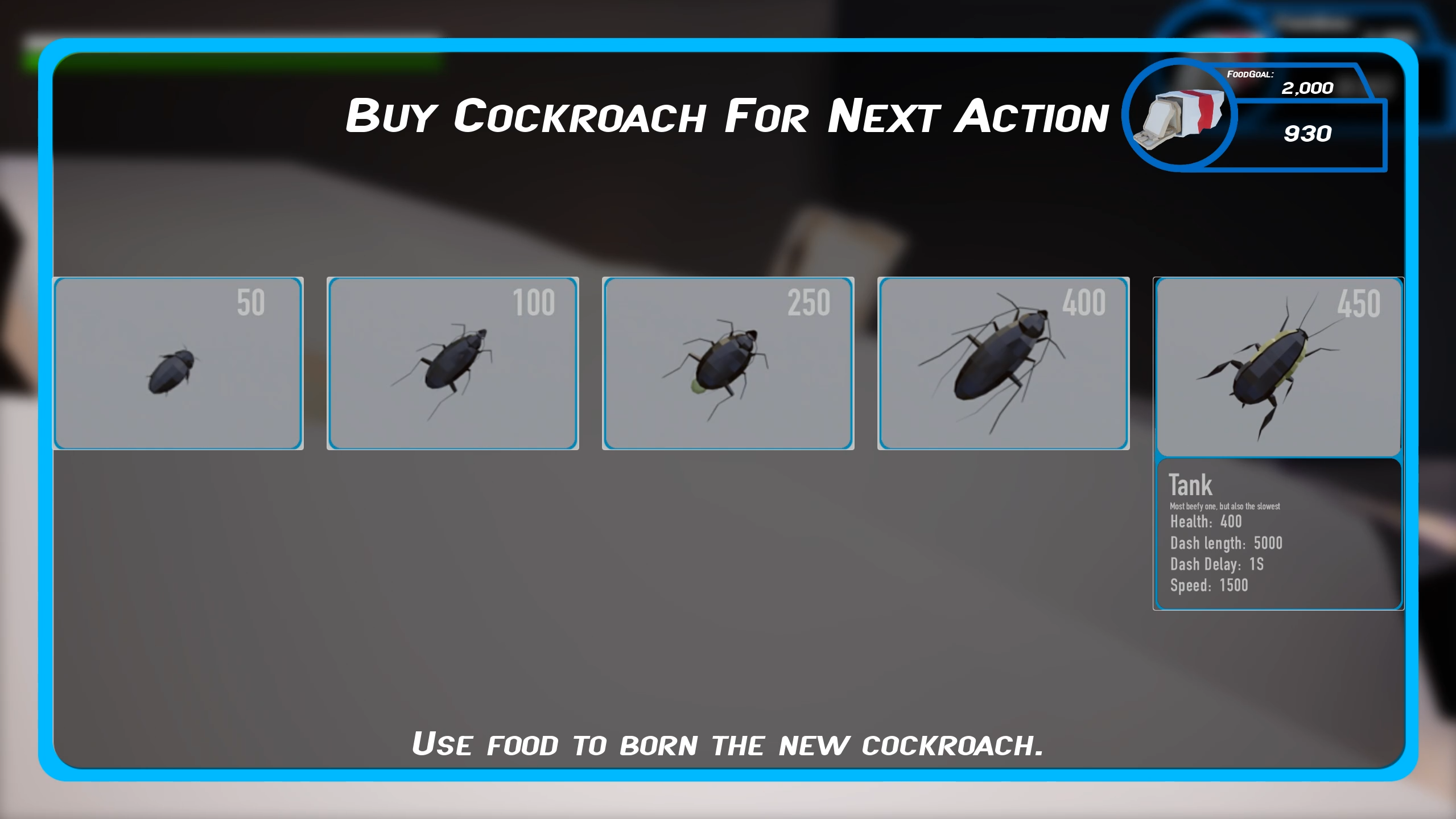
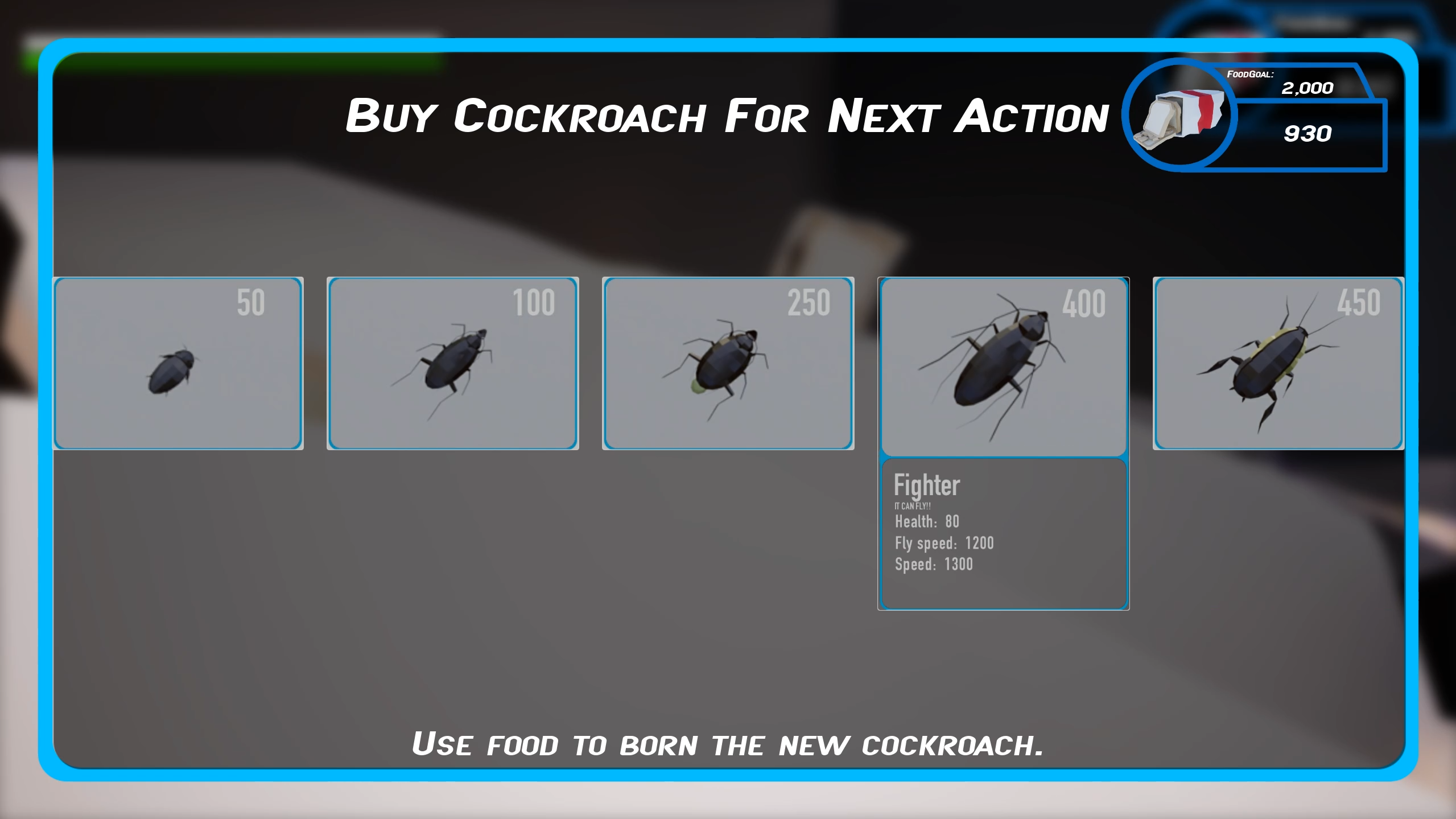
Throughout the game, the cockroach may be harmed or killed by environmental hazards. If the current cockroach dies, the player can “purchase” a new one using the food resources they have collected to continue playing. Different types of cockroaches possess unique abilities and skills. However, if the remaining resources are insufficient to buy even the cheapest cockroach, the game ends in failure.
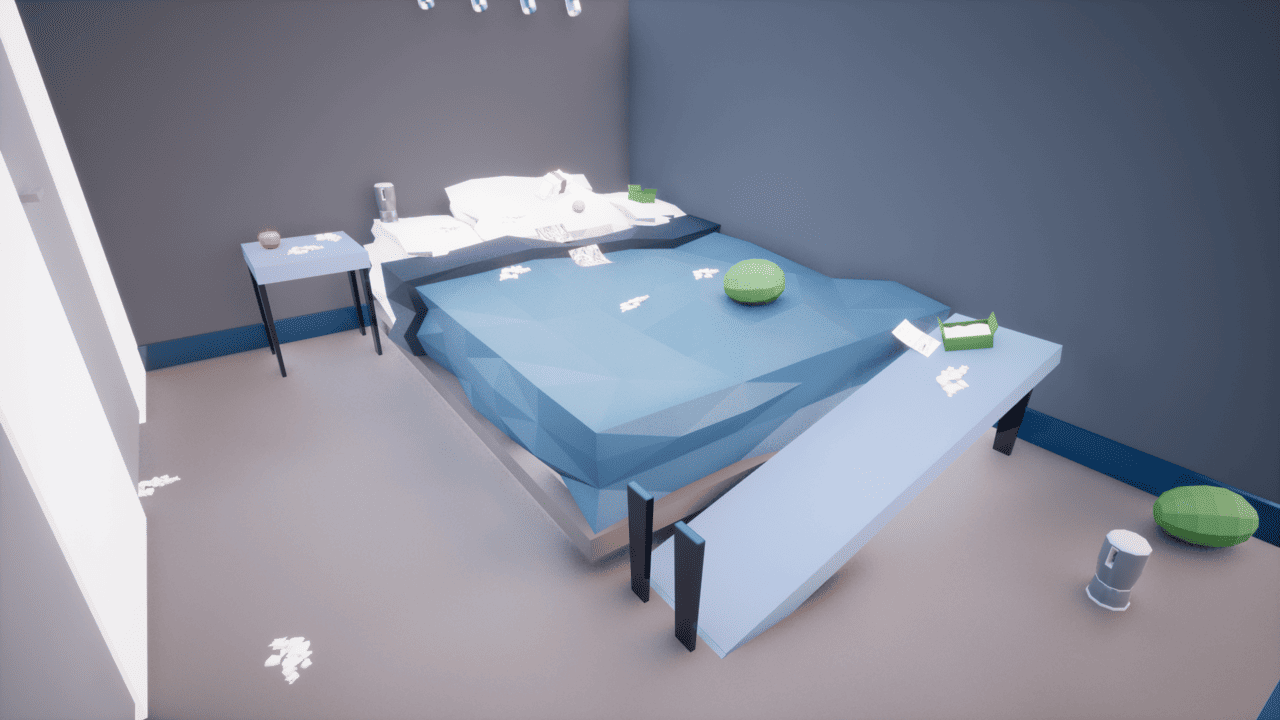
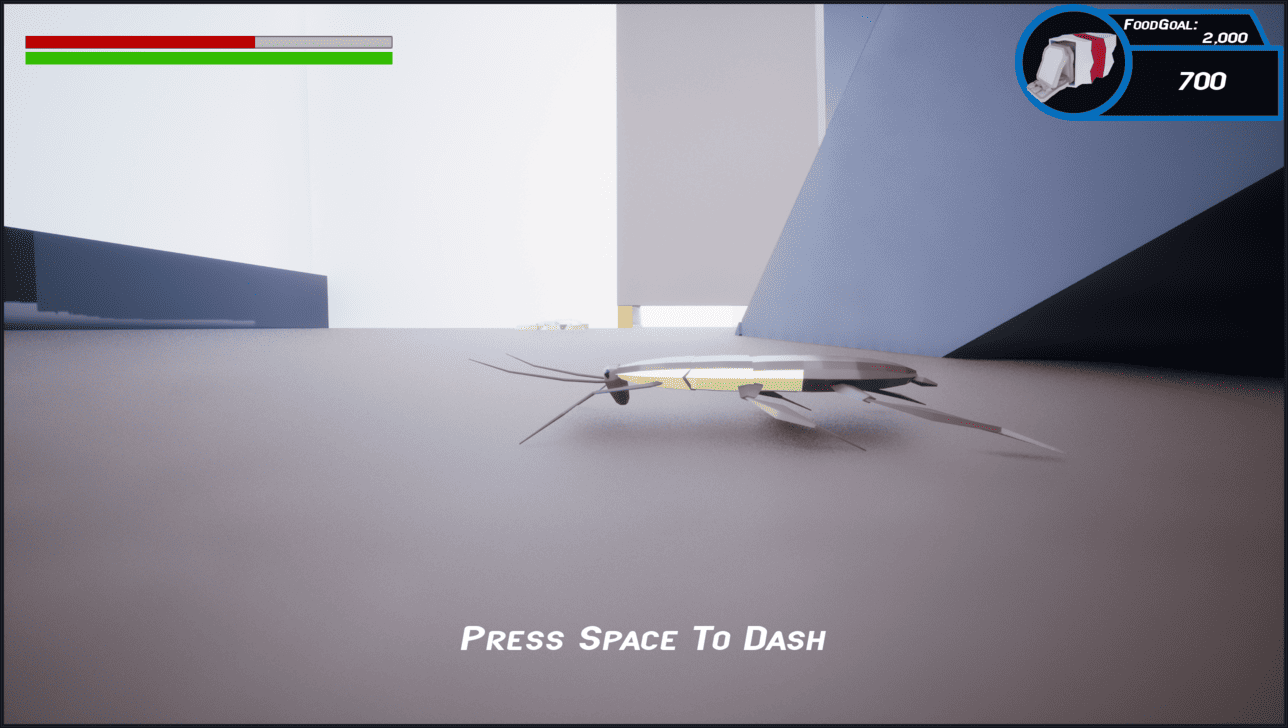
Design Idea:
Fort this week’s game, the player takes on the role of a cockroach—an unwelcome pest in the eyes of humans—scavenging for food in kitchens and other domestic spaces. By doing exactly what we, as humans, don’t want cockroaches to do in our homes to explores the topic: “You are not supposed to be here.”
As a cockroach, the player must gather food not only to meet the objective but also to use it as a resource for revival. Food functions as both currency and goal. This forms the foundation of the game’s economic system, which also serves as a punishment mechanic for player mistakes: each time the current unit dies, the player must spend part of their collected food to purchase a new cockroach.
If the food gained during a round is less than the cost of a new unit, it’s considered a “loss round.” Otherwise, it’s a “profit round.” To succeed, the player must consistently generate profit, gradually accumulate resources, and ultimately reach the target food count to win the game.
Week 3 - FPS Punch fashion designers | Inventory system
Given Topic:
- FPS Punch fashion designers
- Inventory system
Solo project
Made With Unreal Engine
About the game:
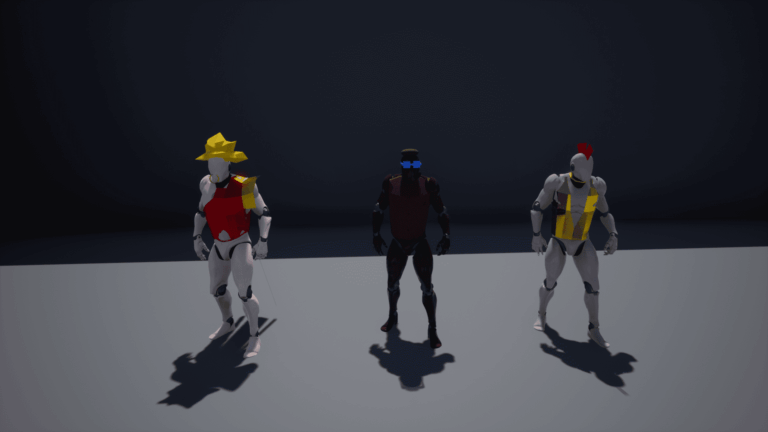
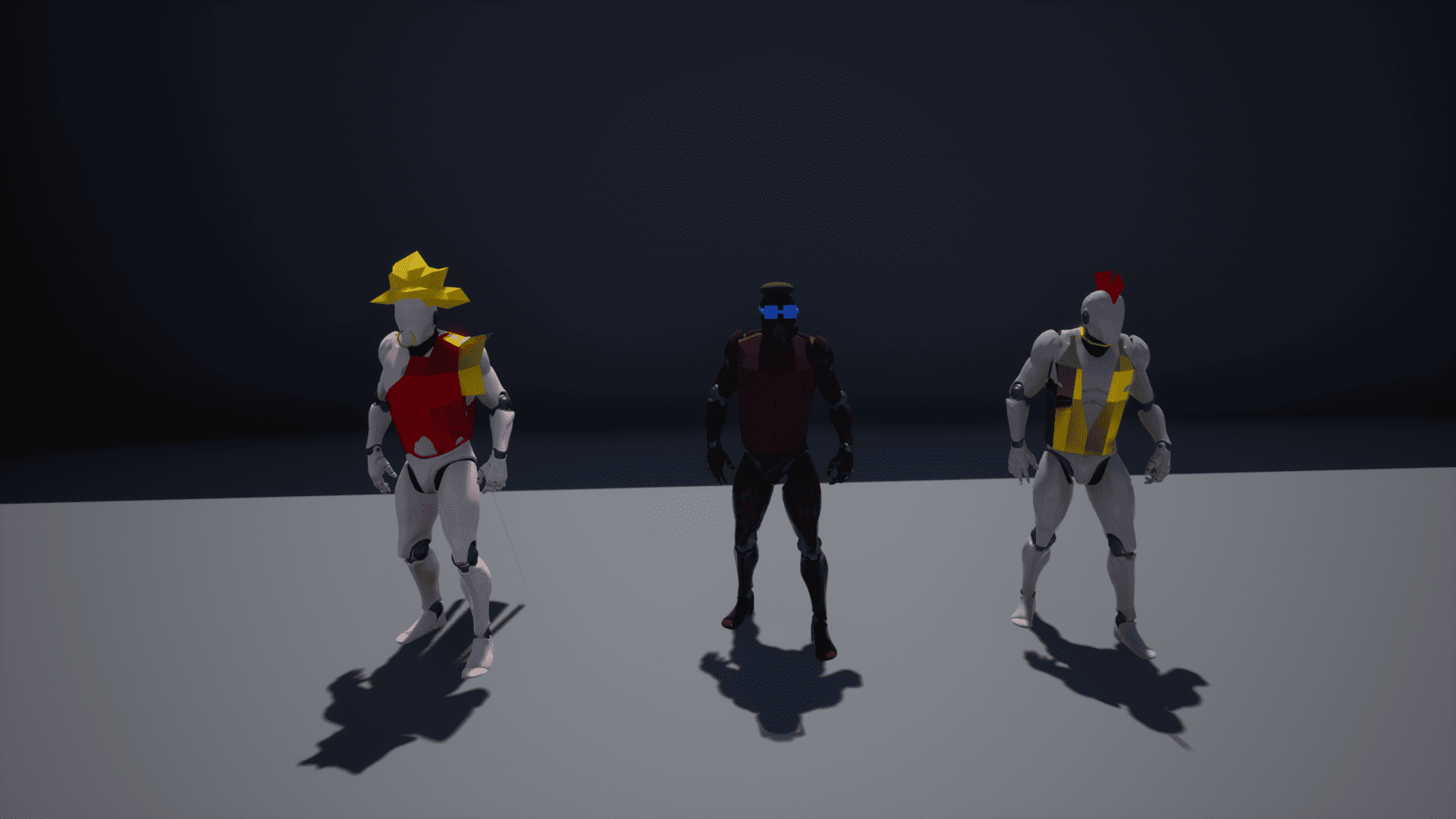
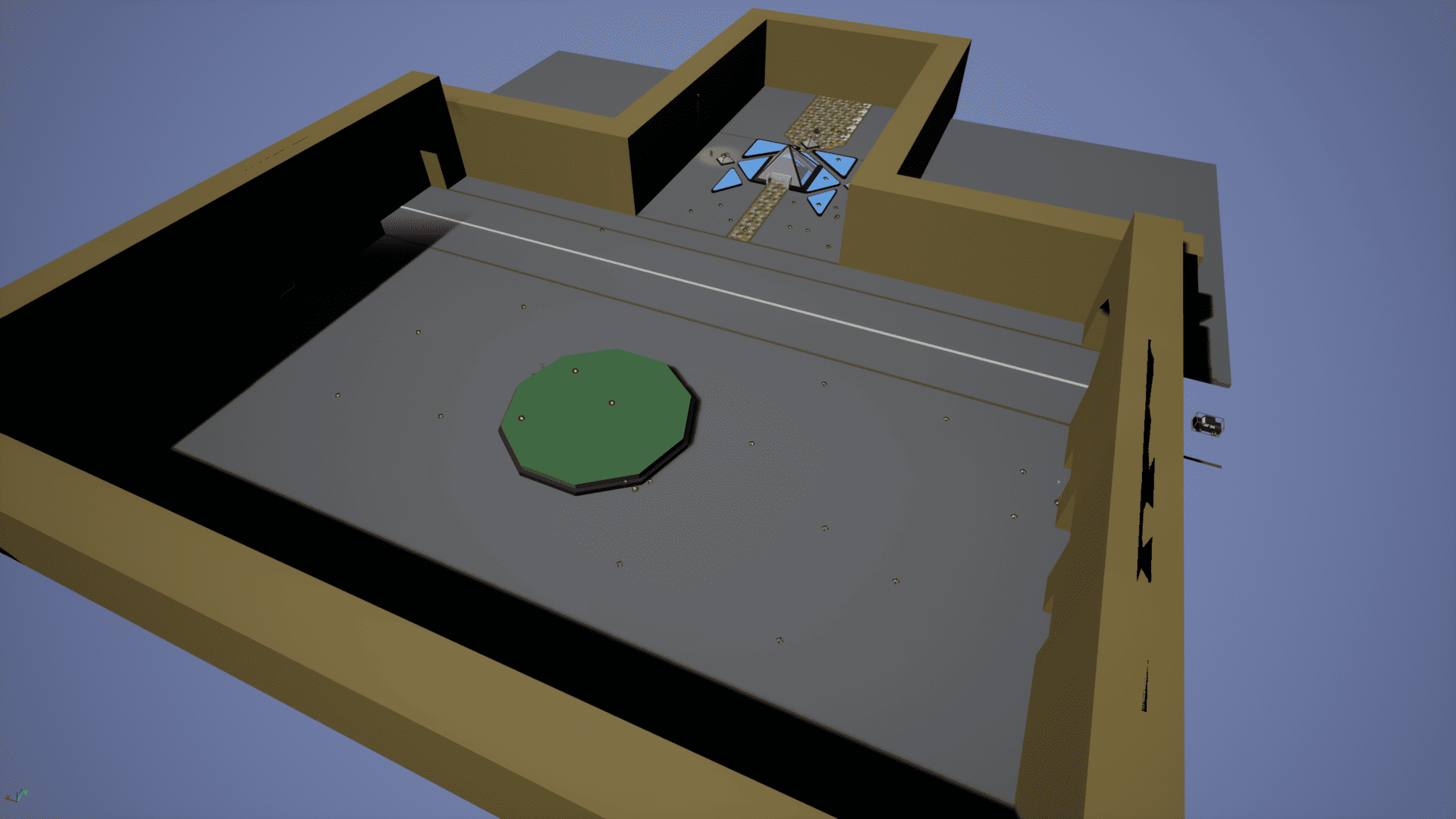
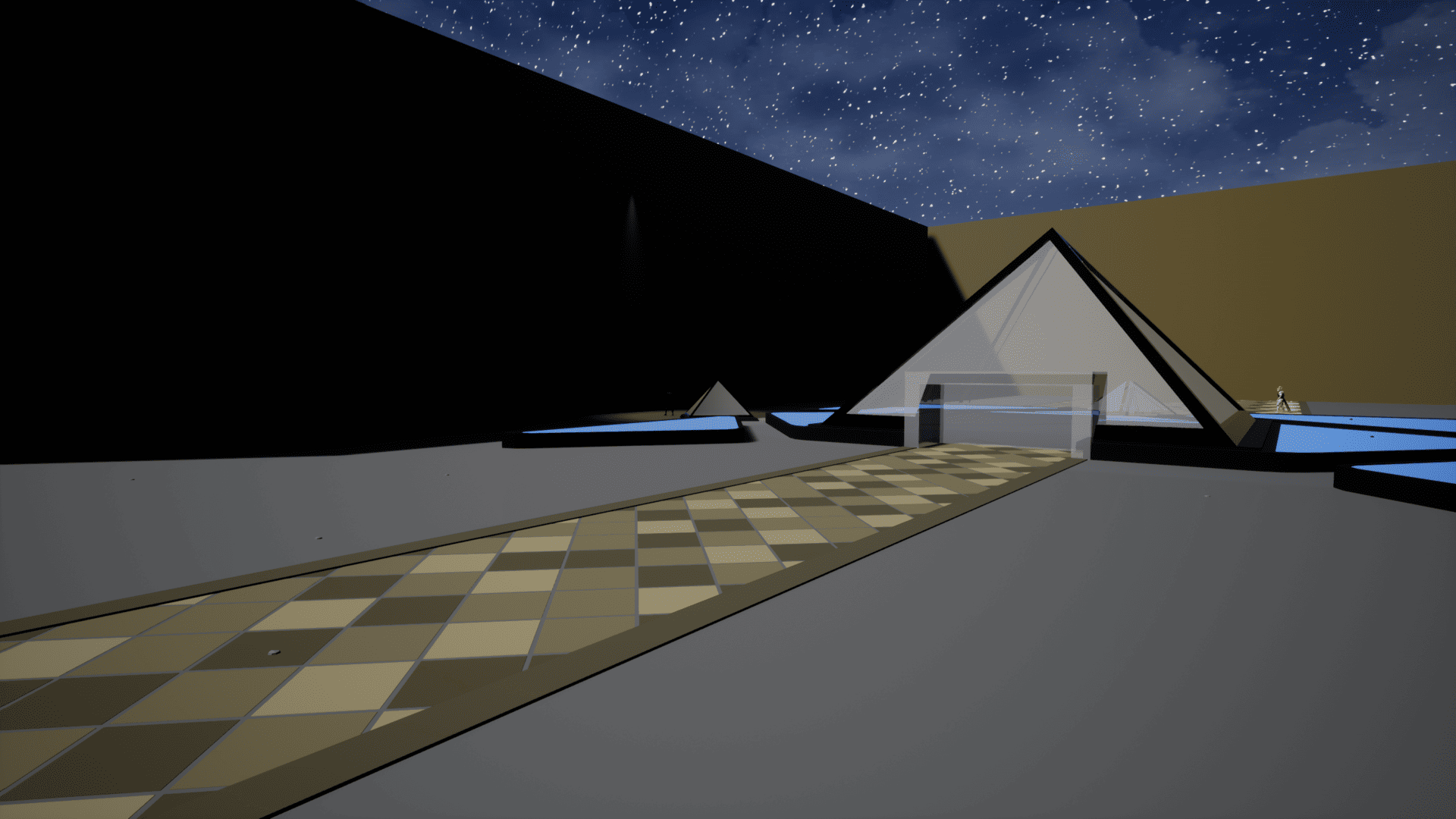
The player takes on the role of a struggling fashion designer—undervalued, overlooked, and desperate for a breakthrough. With the Paris Fashion Show approaching, he’s determined to become the star of the night by any means necessary. His plan? Sabotage.
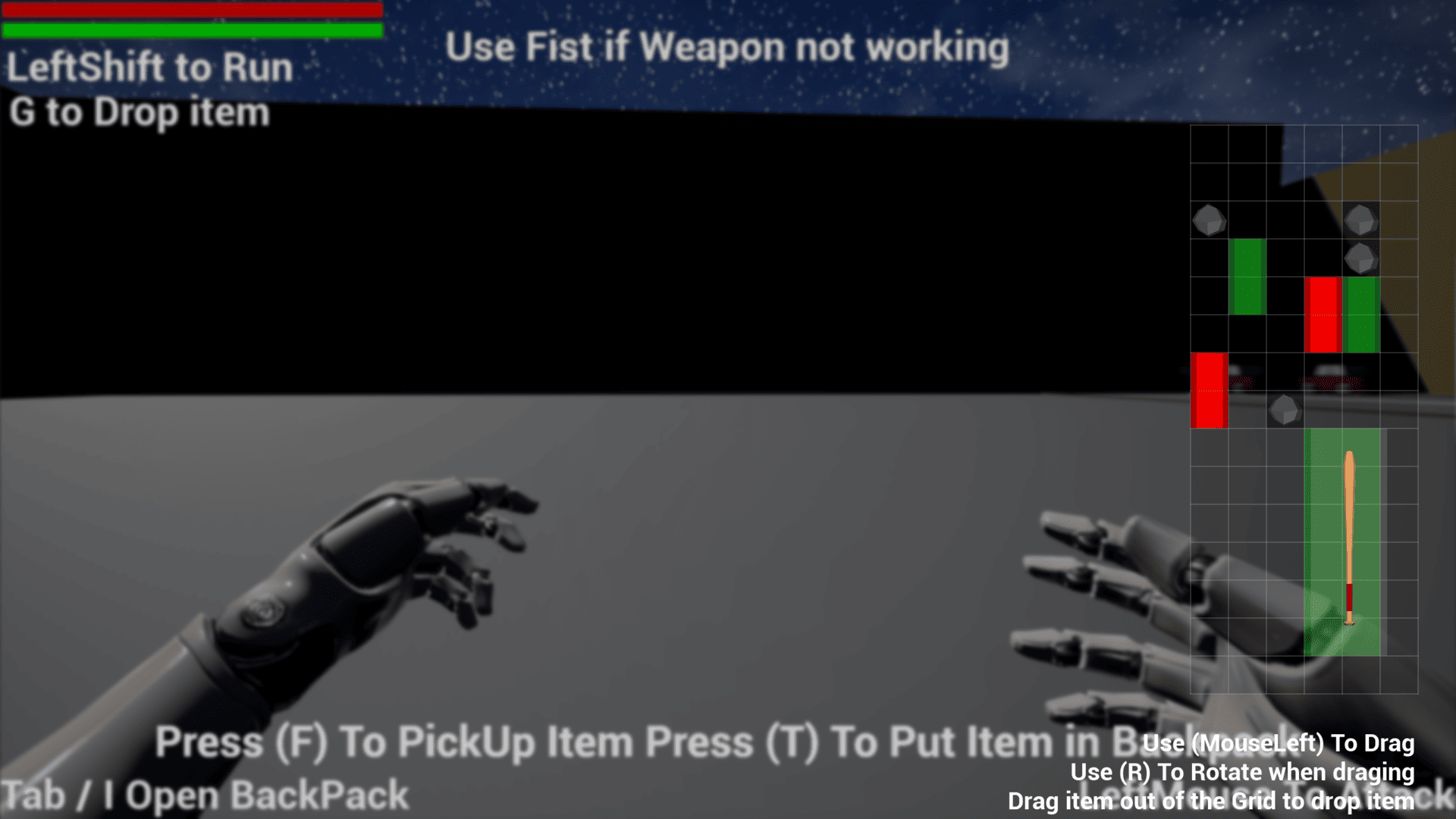
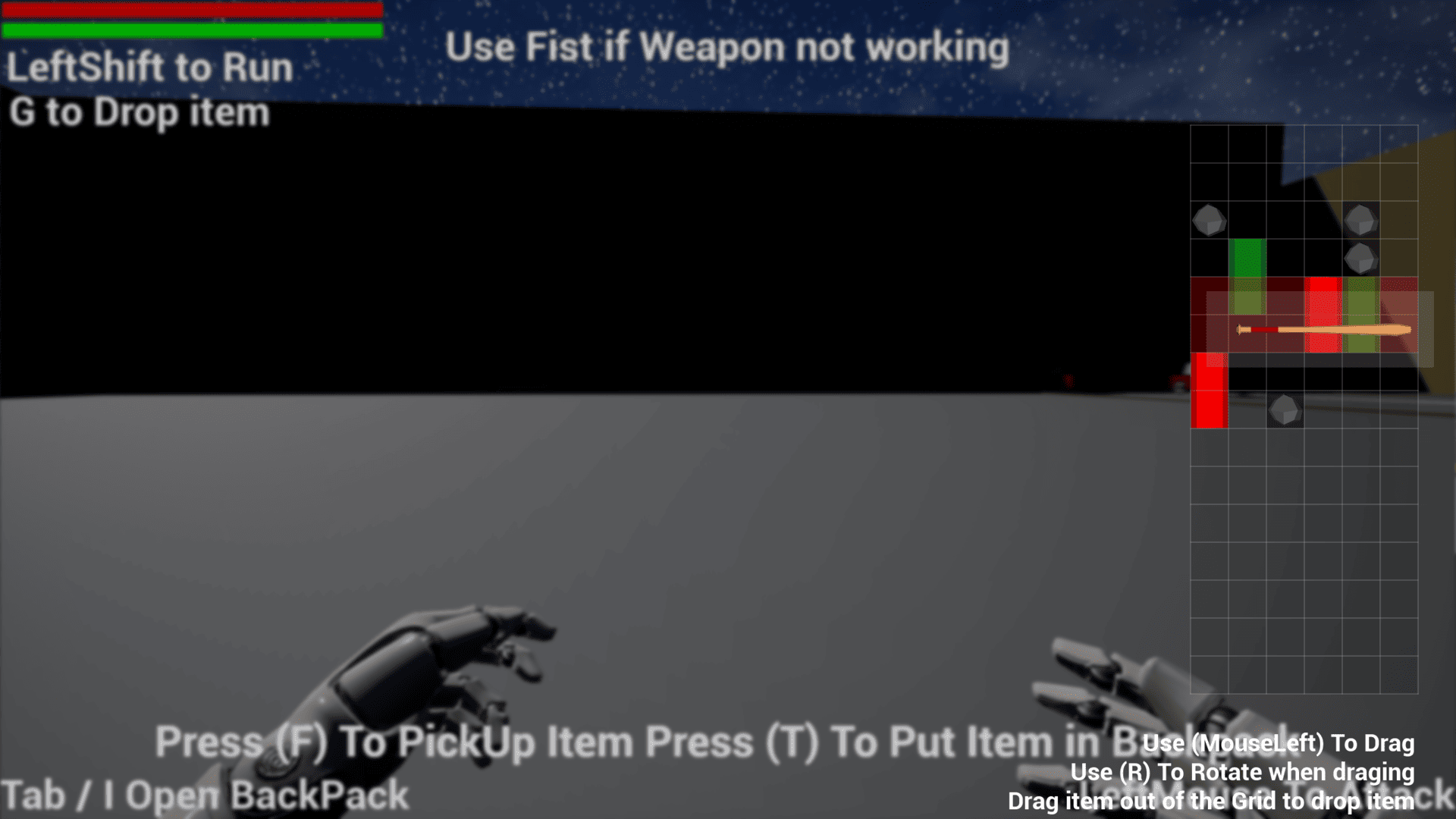
Set in a small open world, the player must track down three rival designers, each with their own distinct style. Armed with a backpack full of quirky tools, the player must find and knock them out before the evening show, ensuring they’re unable to walk the runway—and leaving the spotlight all to himself.
Design Idea:
This week’s topic, “FPS Punch Fashion Designers,” posed a significant creative challenge. Its absurd premise, combined with the mandatory backpack system, introduced several constraints in gameplay design. To align with the tone, I drew inspiration from satirical open-world games like Goat Simulator, aiming for a playful, exploration-driven experience.
Players are guided by the objective of locating and knocking out three fashion designers, but are otherwise free to roam within a small open-level environment. Interacting with various item-based “toys” scattered throughout the space, players are encouraged to discover fun in their own way.
As the combat and backpack systems took up the entire production timeline, I opted not to implement more complex mechanics. Instead, I focused on delivering a fully playable experience that clearly expresses the theme and establishes core gameplay within the limited development window.
Week 4 - Rogue-Like | Procedural
About the game:
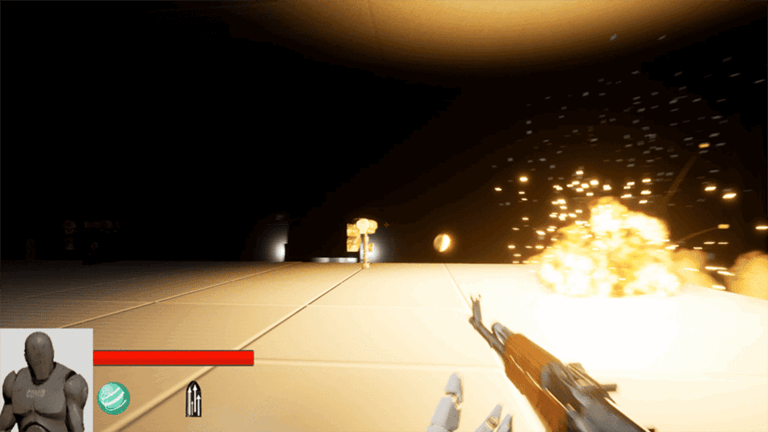
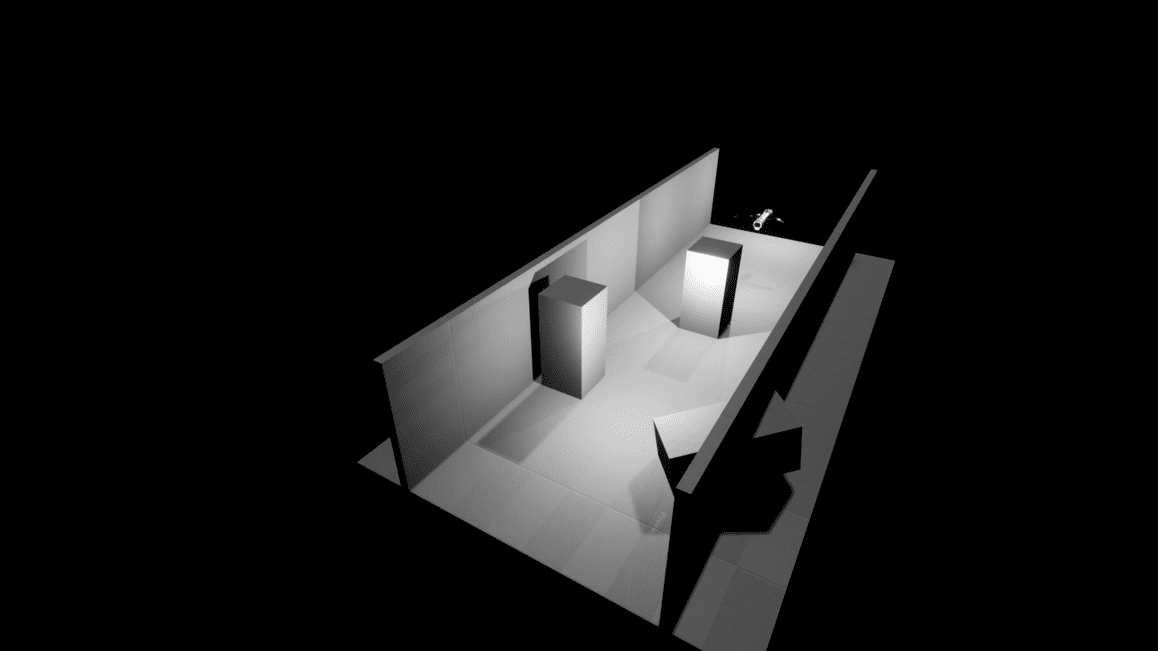
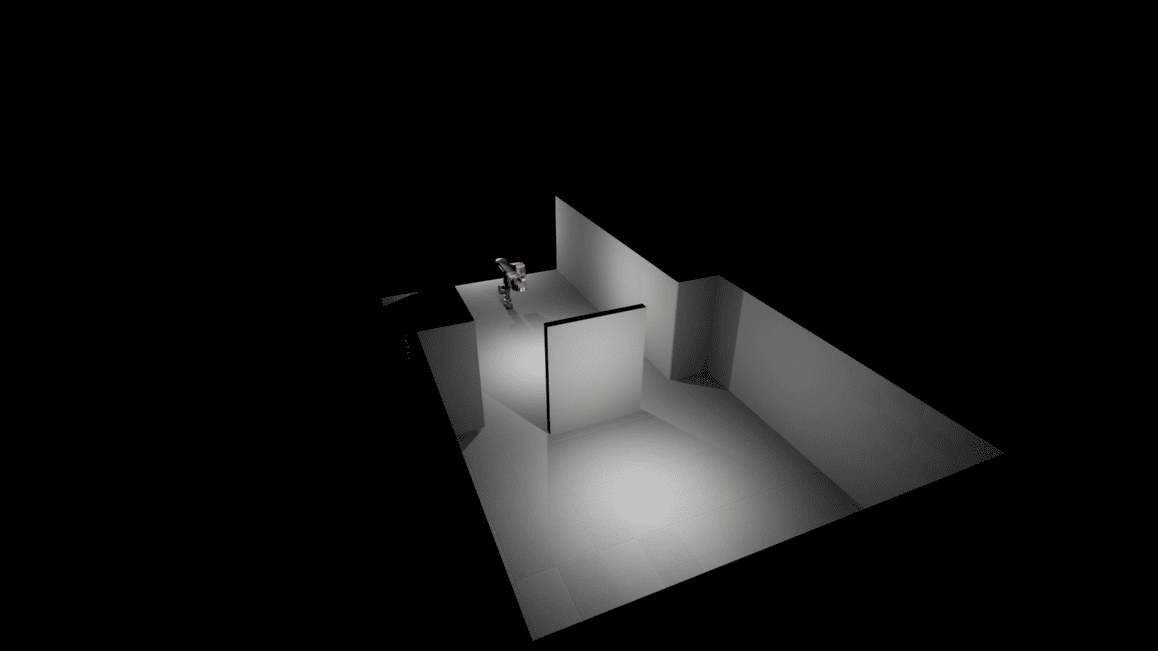
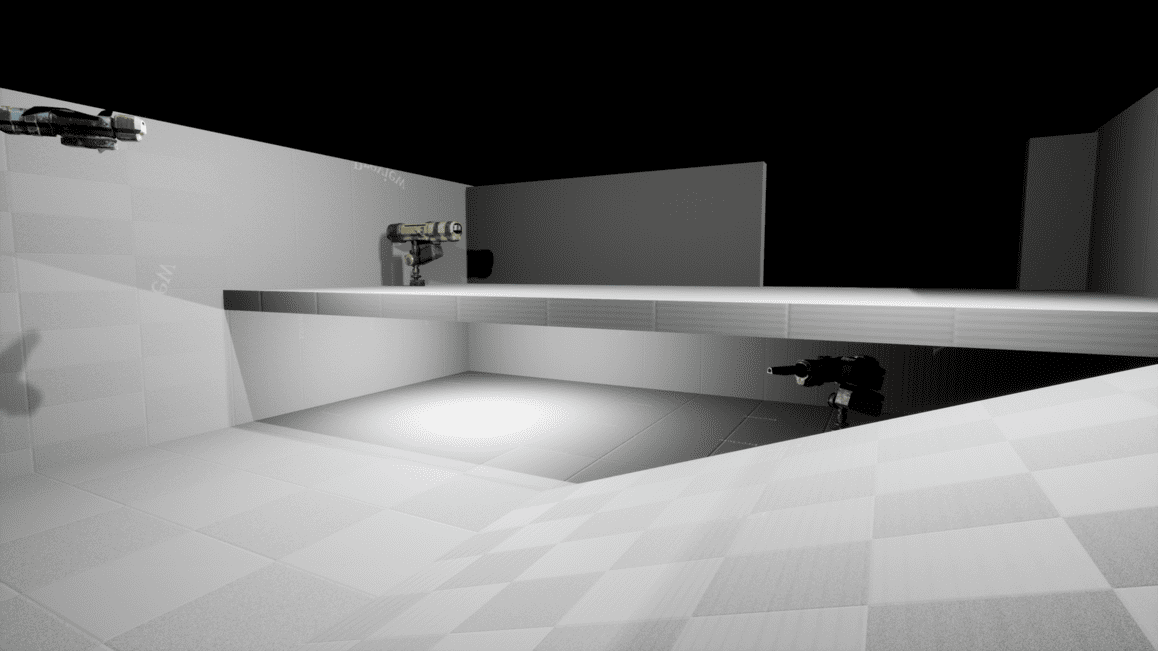
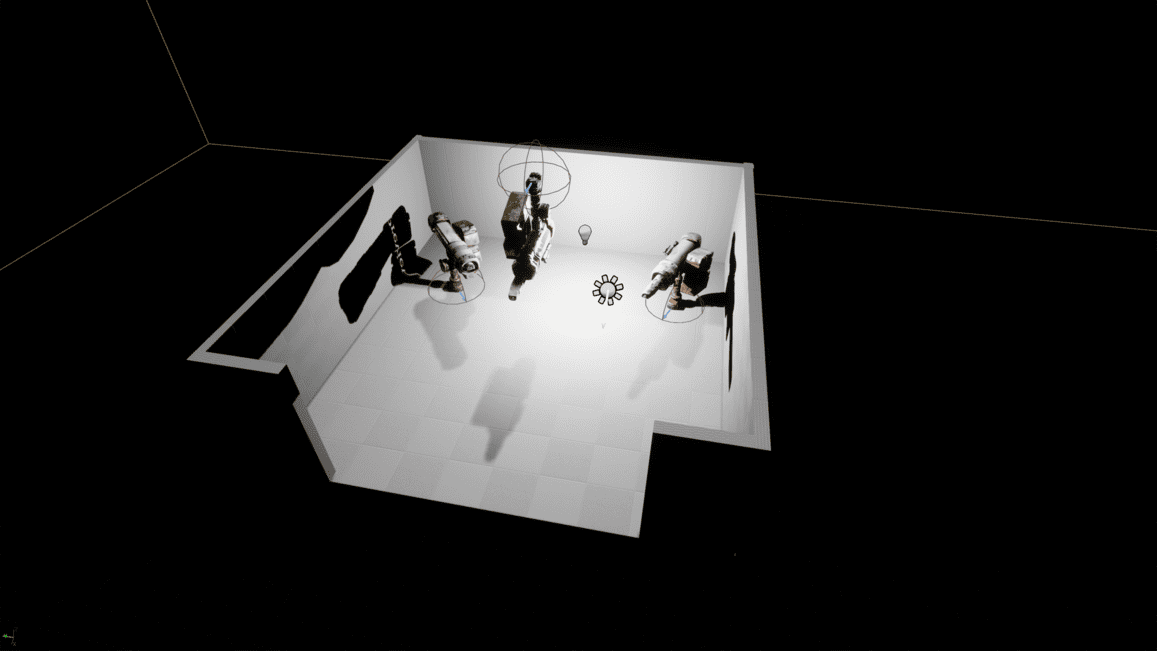
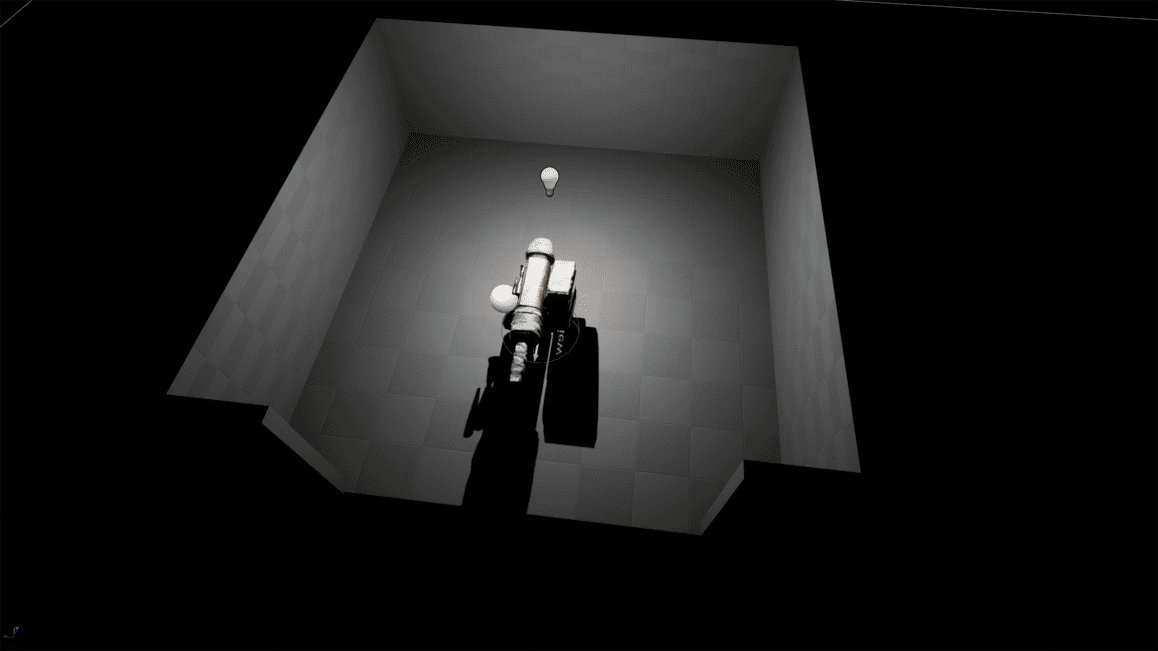
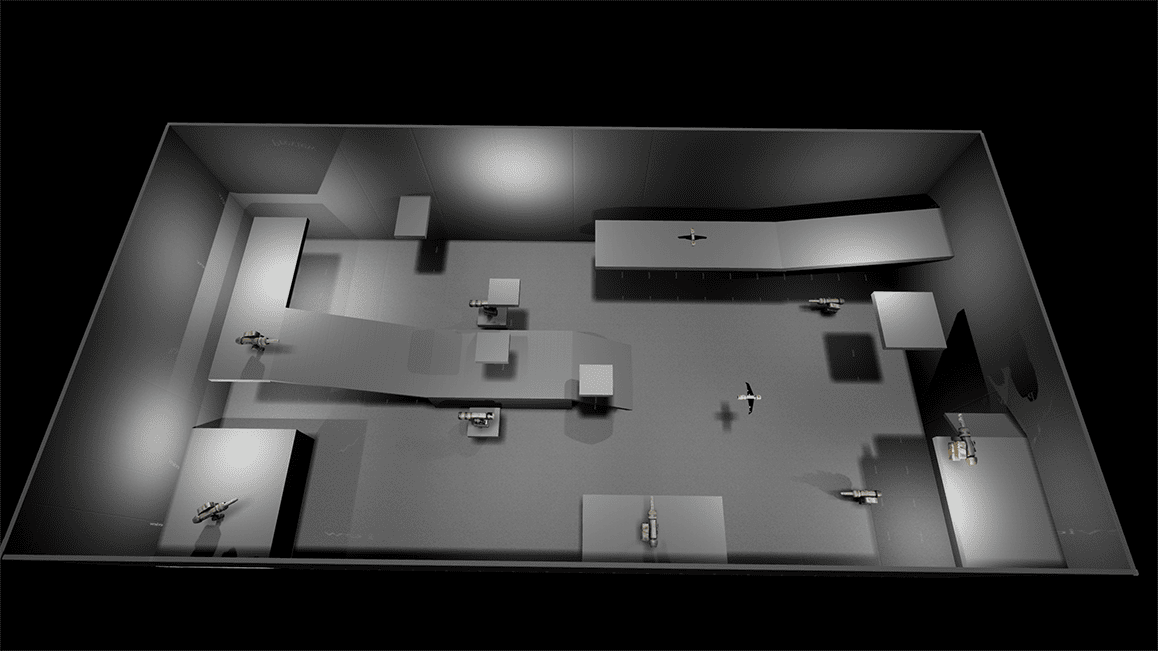
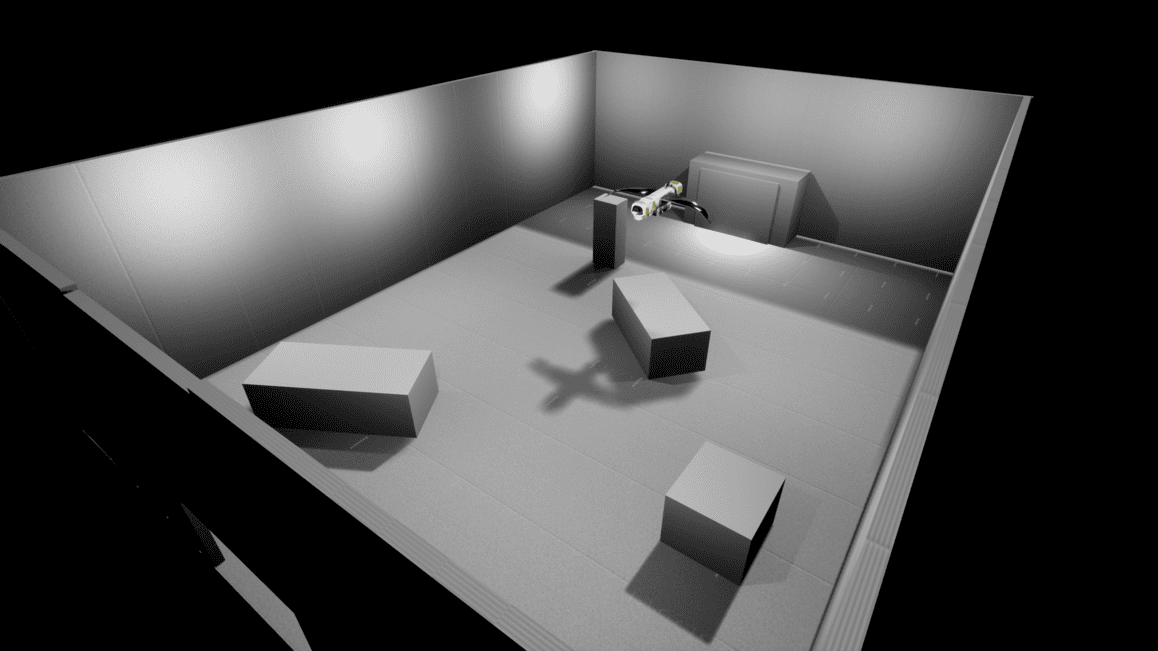
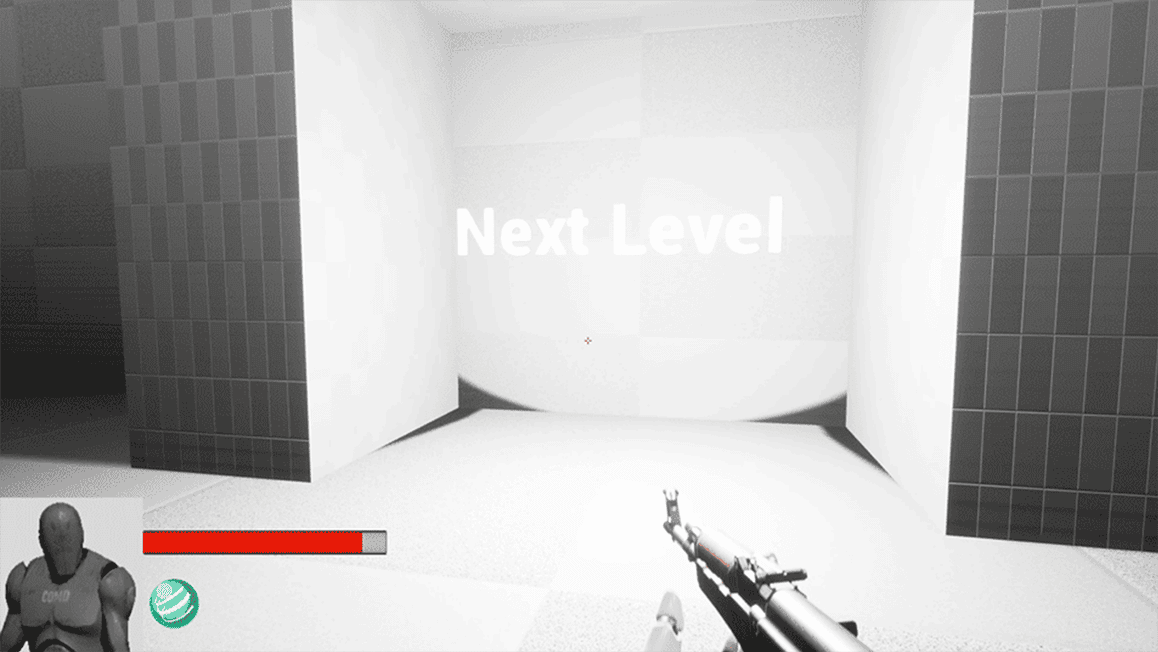
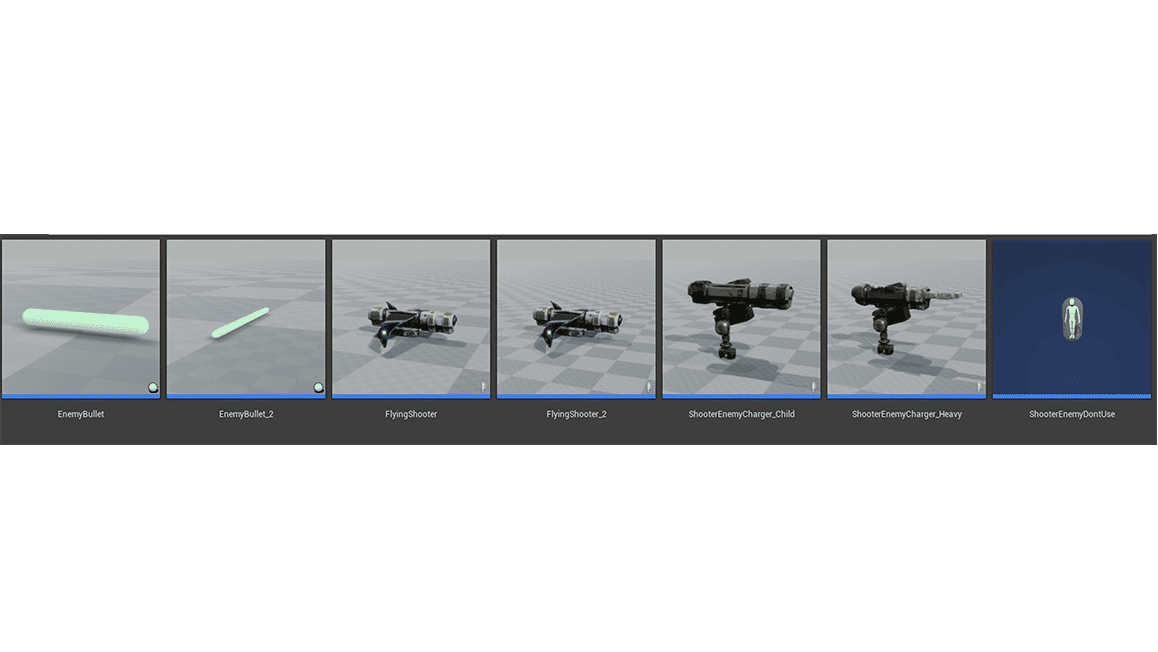
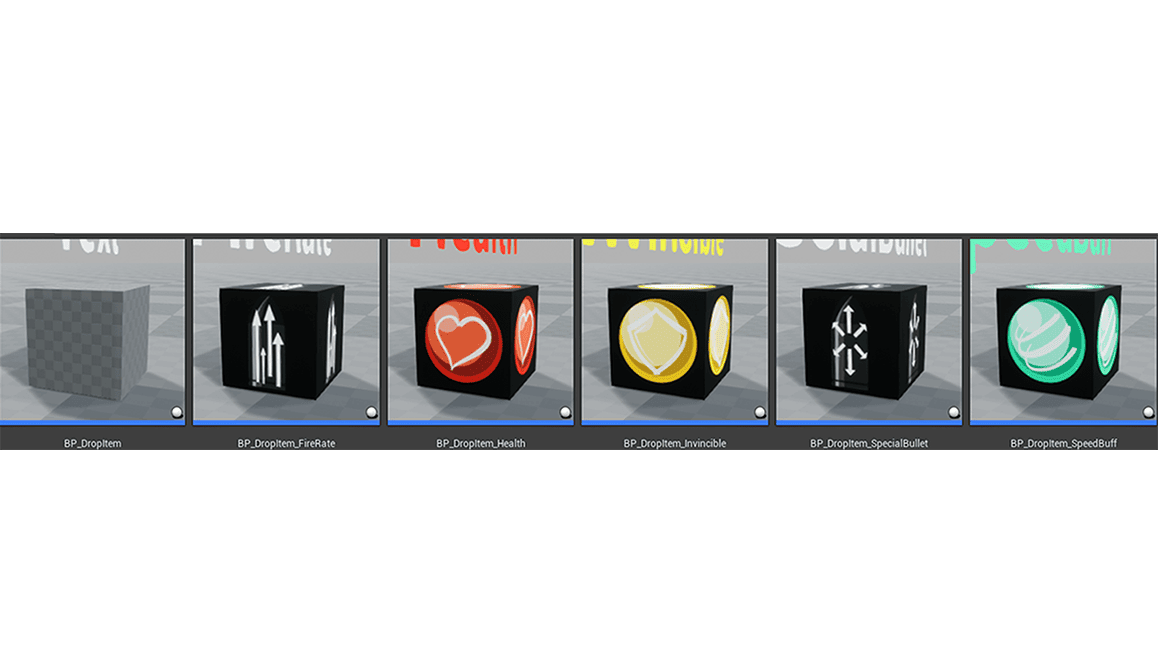
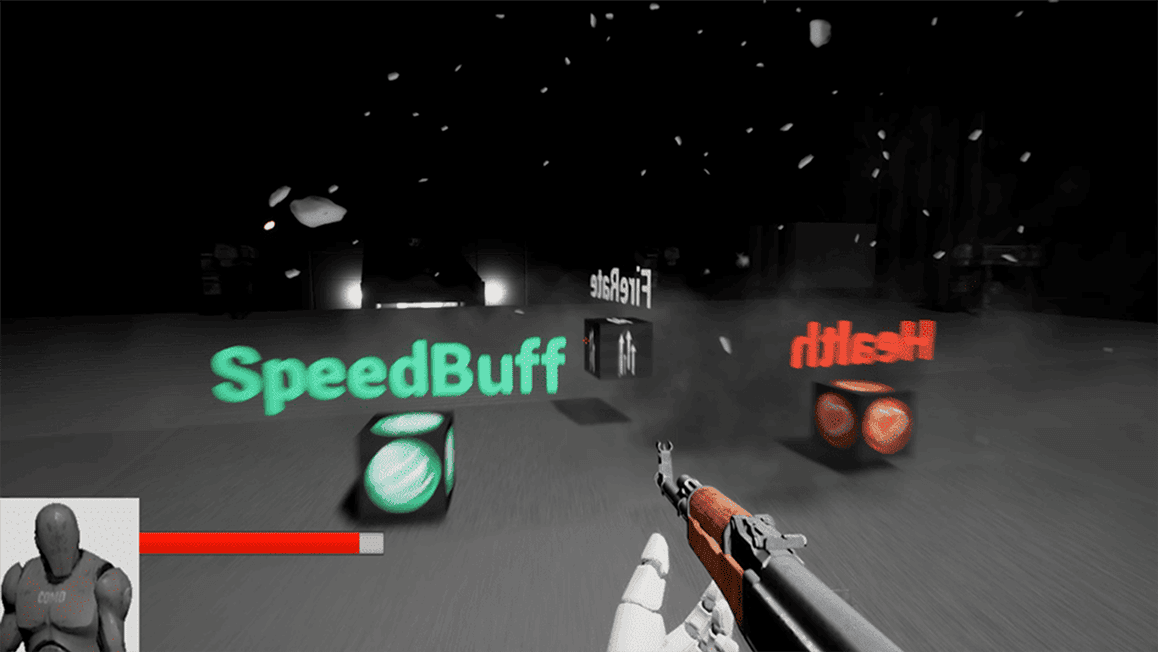
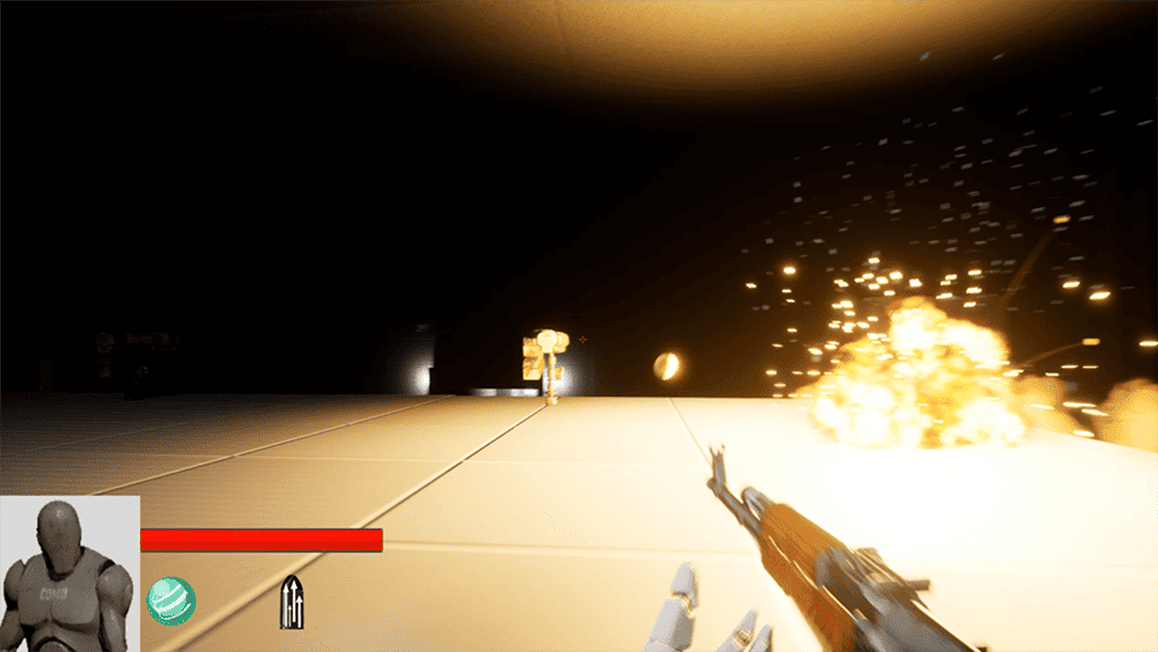
This project is a fast-paced action game that blends first-person shooting with Rogue-like elements. Players fight through a series of procedurally generated zones, progressing deeper with each encounter. Defeated enemies have a chance to drop upgrade modules that instantly enhance the player’s current weapon—providing benefits such as increased damage, fire rate, or range during combat.
Design Idea:
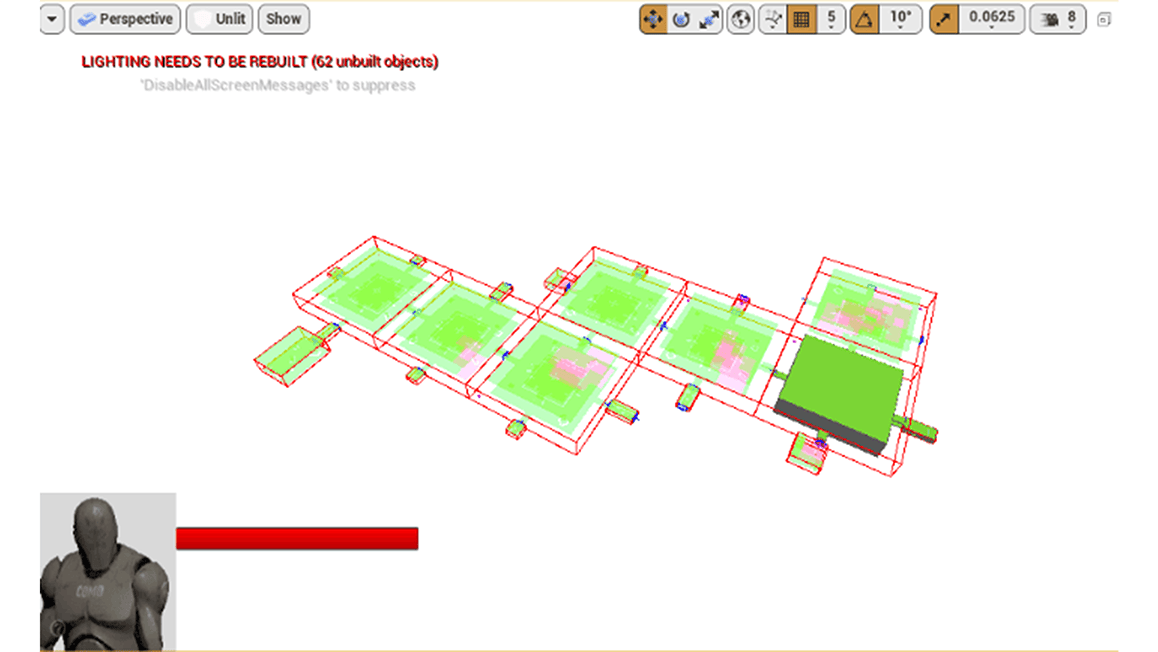
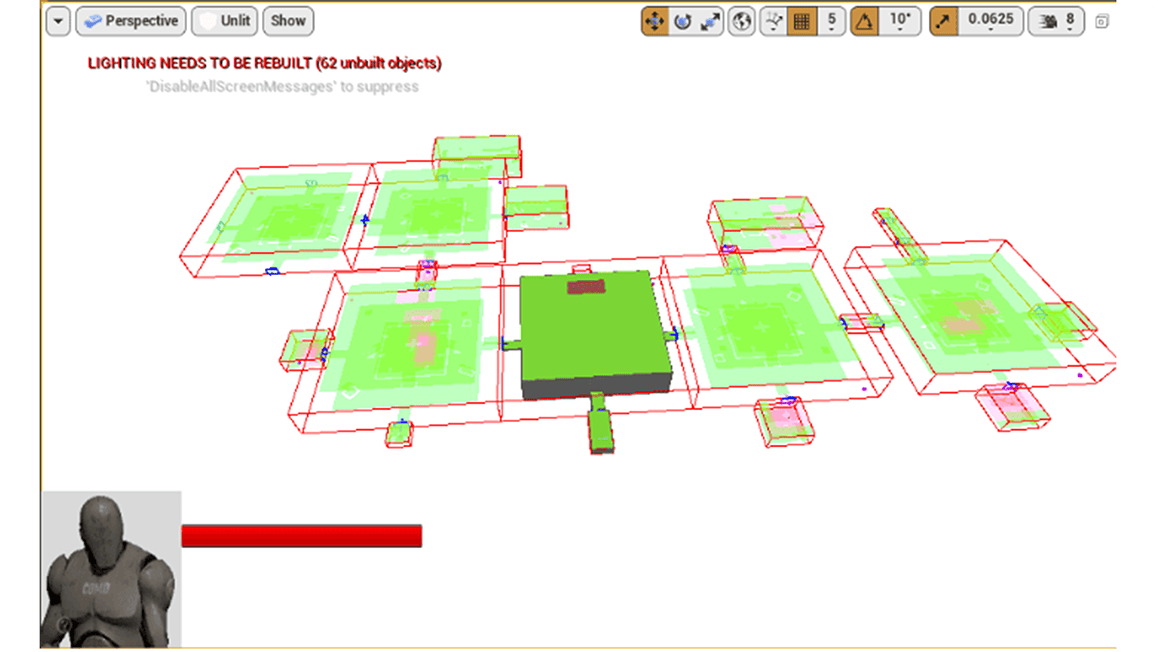
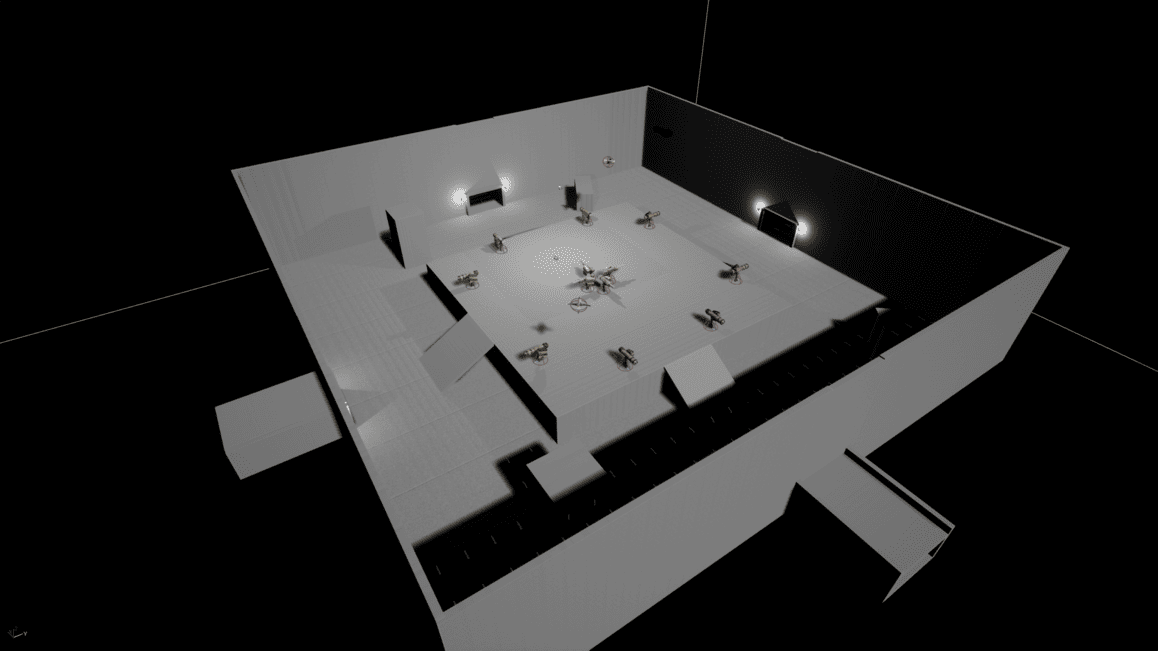
Given the week’s topic—to create a Rogue-like game with procedurally generated level layouts—our team chose to build upon the FPS genre as a foundation. Rather than focusing on complex or unconventional designs, we prioritised delivering a playable Rogue-like experience within the timeframe. Ensuring fully functional procedural level generation alone was a major challenge that took up the majority of our development cycle.
Week 5 - Goldfish in a bowl | Life Simulation
Given Topic:
- Goldfish in a bowl
- Life Simulation
Solo project
Made With Unreal Engine
About the game:
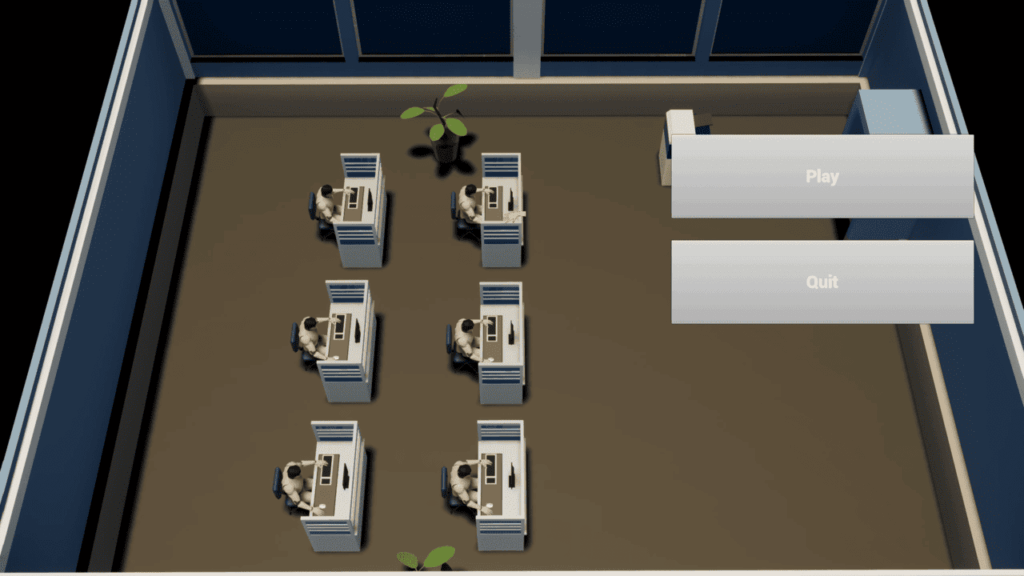
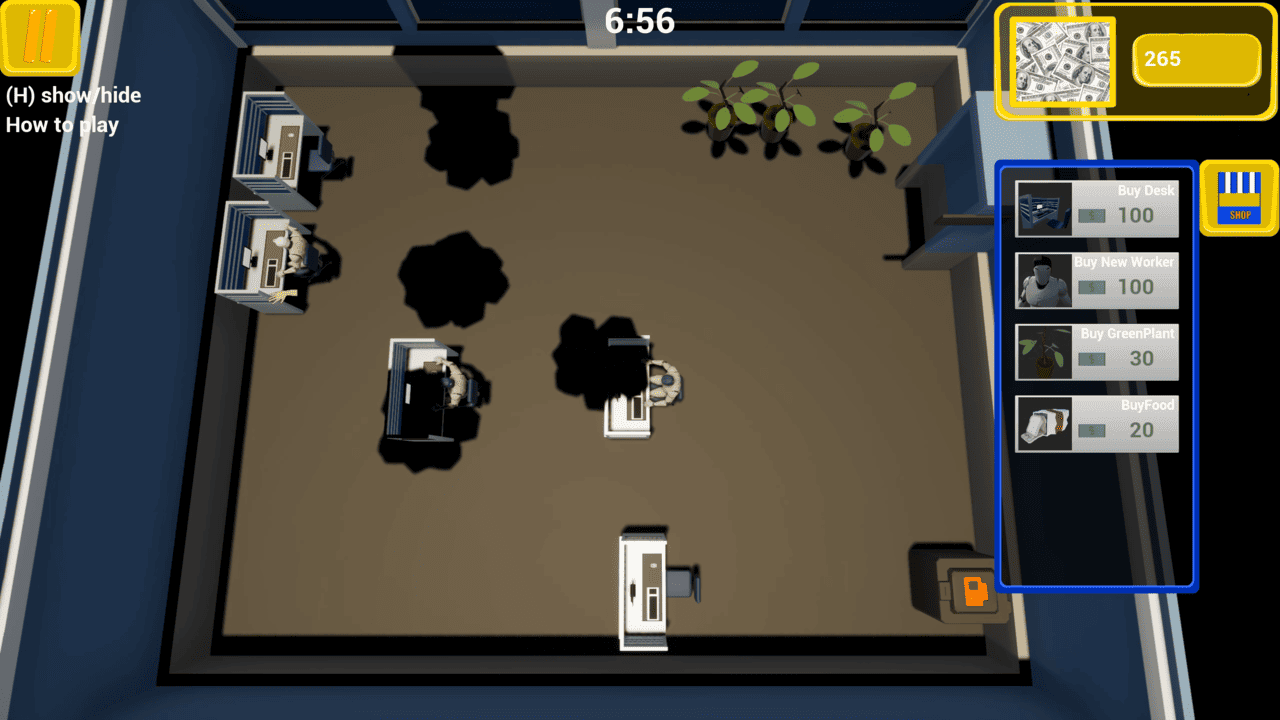
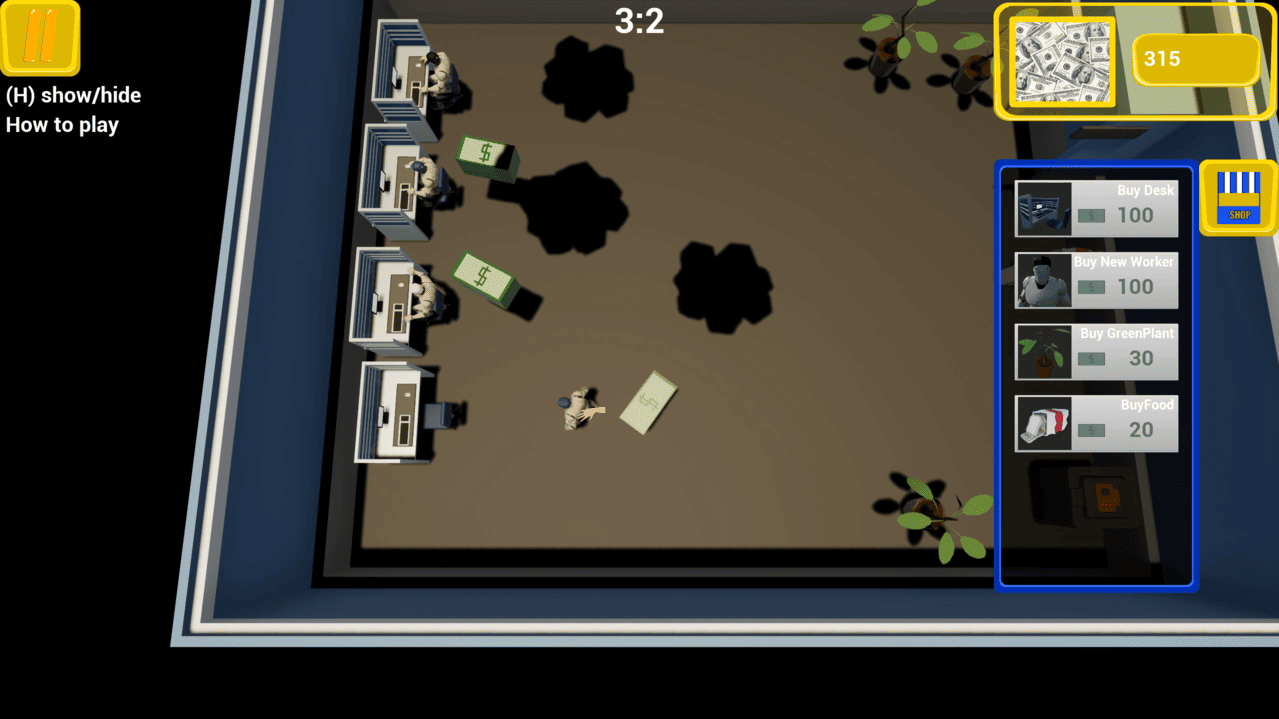
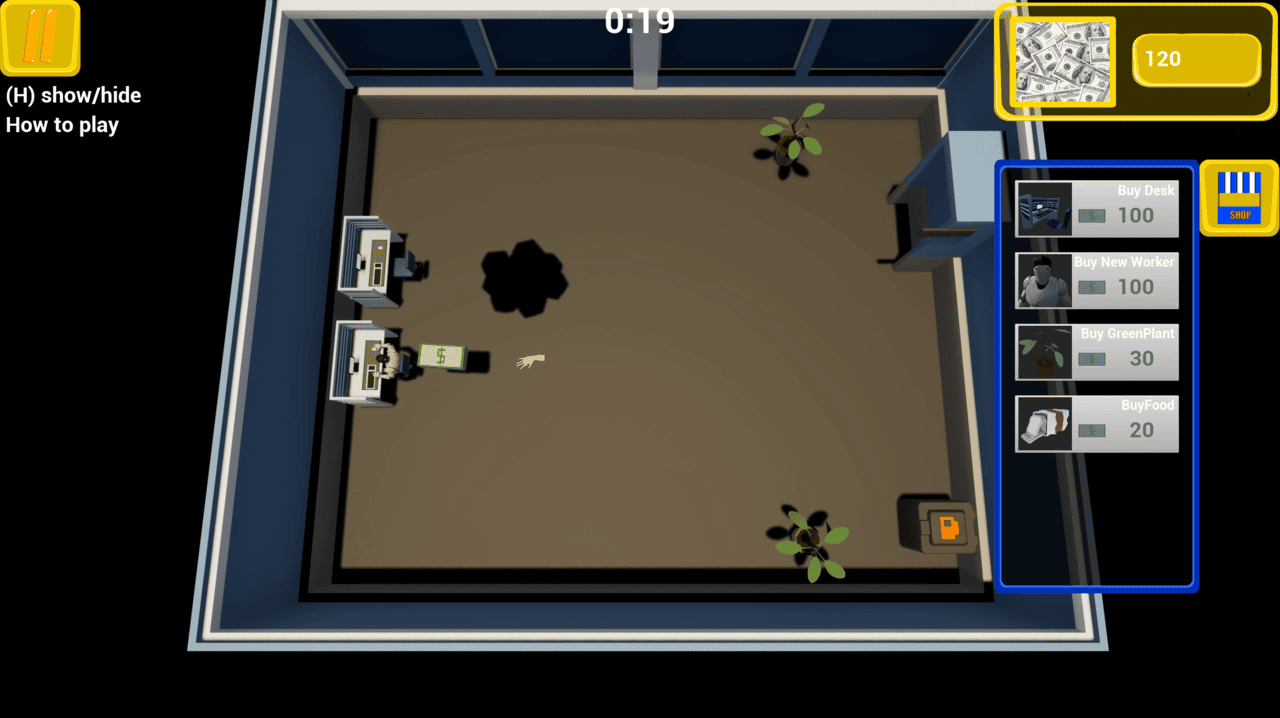
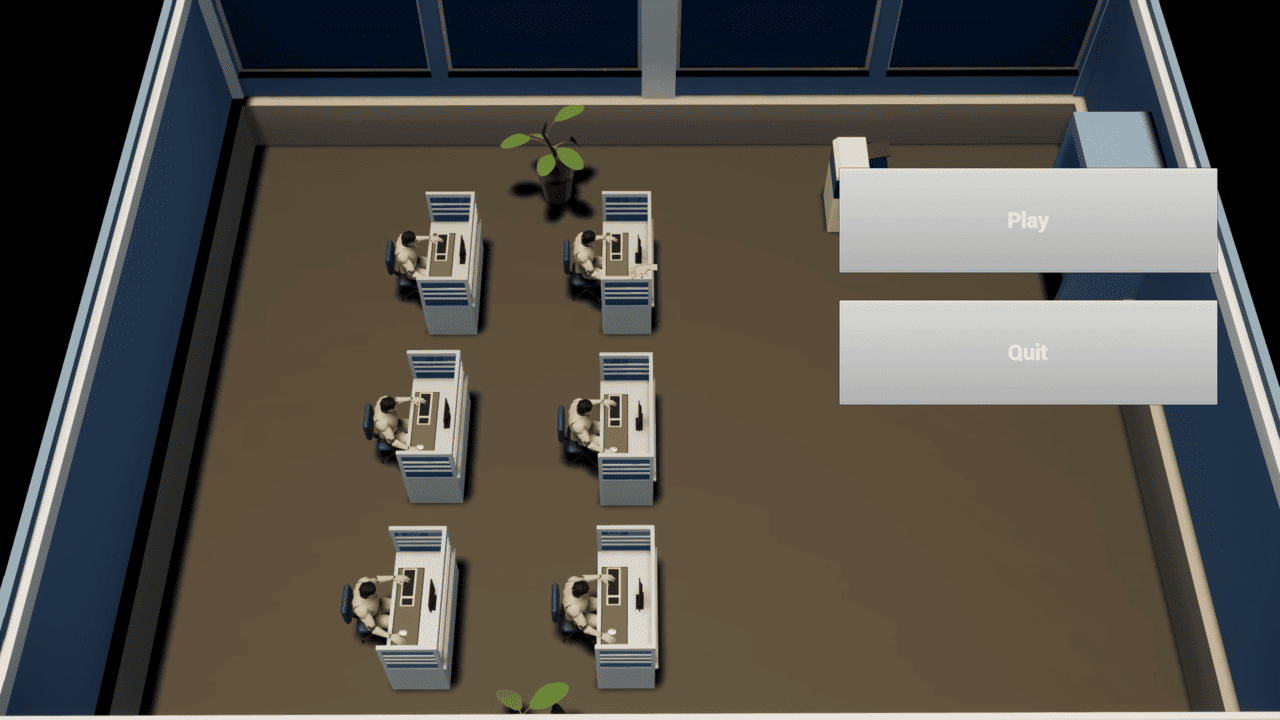
The player takes on the role of a company boss, tasked with managing and expanding corporate assets. Using mouse controls, you’ll purchase and place facilities to support your workers, and collect the profits they generate. The game has no fixed endpoint—your sole objective is to earn as much profit as possible.
You’ll need to hire employees and ensure they are provided with the bare minimum living conditions to maintain their productivity. Over time, workers will grow hungry and gradually age. As the boss, you must regularly supply food and, when their efficiency drops due to old age and they are no longer profitable, lay them off in a timely manner to maintain the company’s operational performance.
Design Idea:
To reflect this week’s topic, “Goldfish in a Bowl,” I chose to create a management simulation game. The player manages a company from a god-like perspective—observing and controlling employees much like watching goldfish from outside a tank. This indirect control mirrors the concept of life in a bowl and creates space for a touch of dark humour.
I interpreted “life simulation” as a simulation of an entire human life, and was inspired by the often stifling office culture found in parts of Asia. This led to the design of a satirical system in which employees transition through three life stages: young, Middle age, and Old. As the life stages change, workers consume more food while producing less profit, forcing the player to lay them off once they enter old age in order to maintain company efficiency and profitability.
Week 6 - Combine | Dialog
About the game:
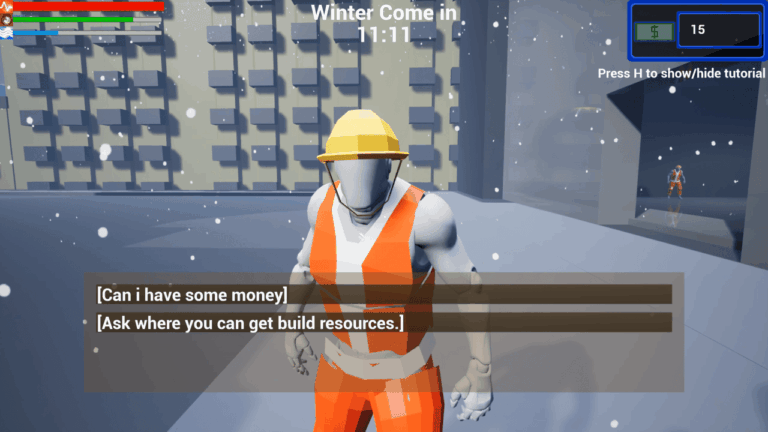
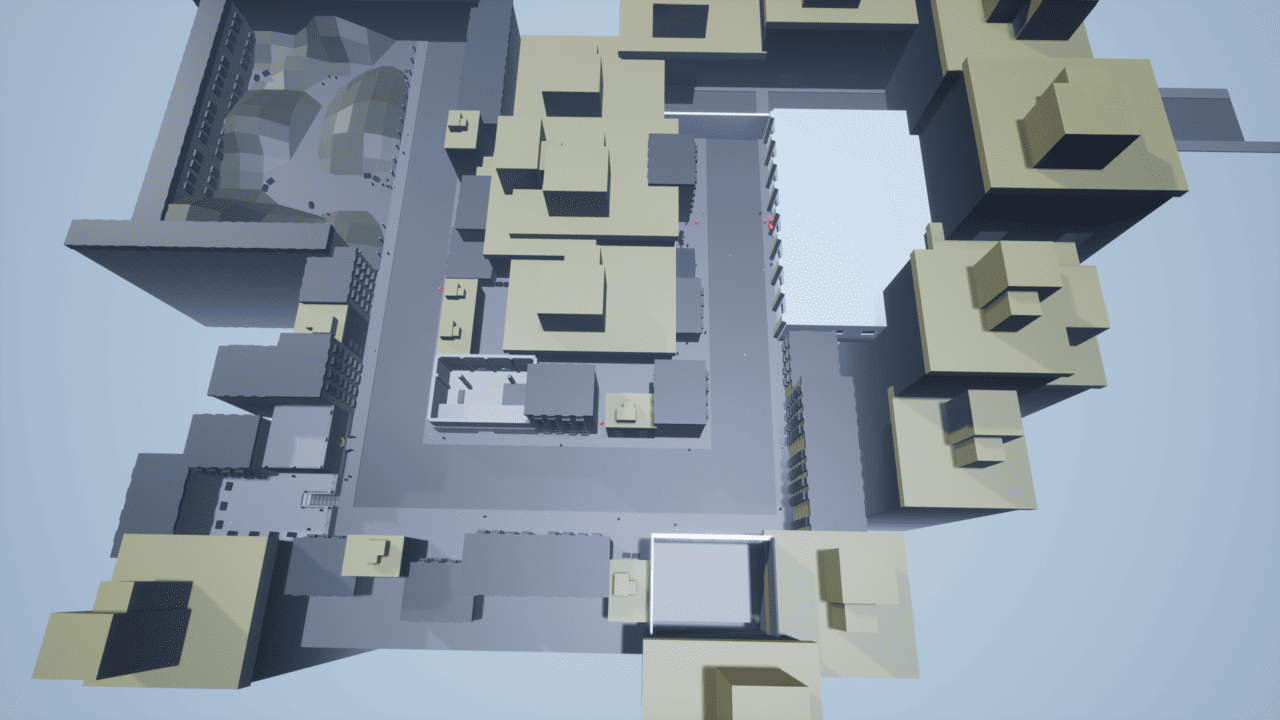
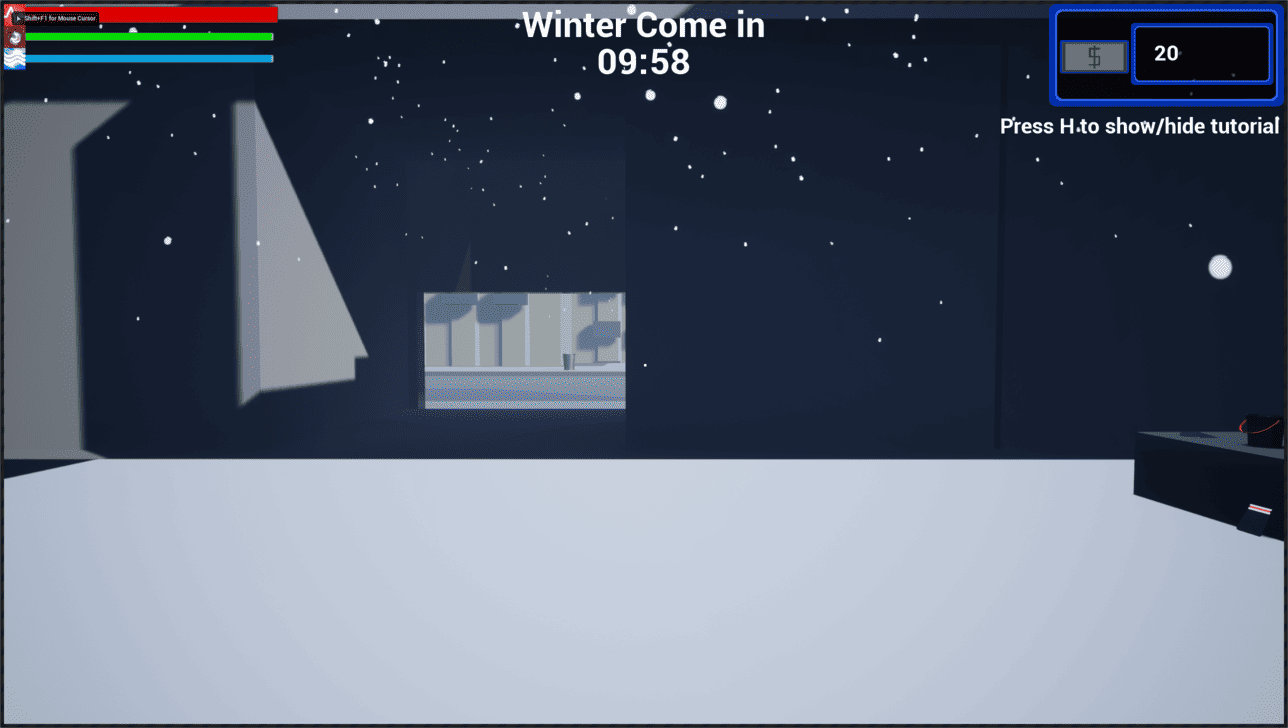
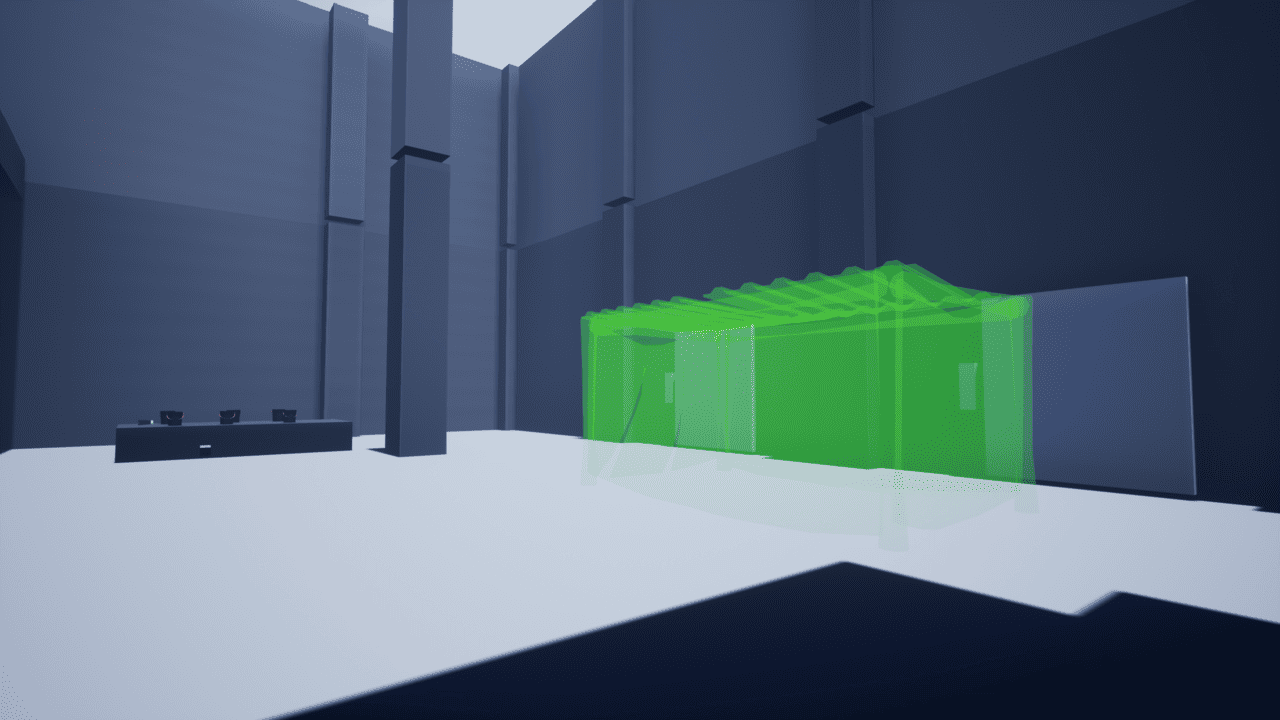
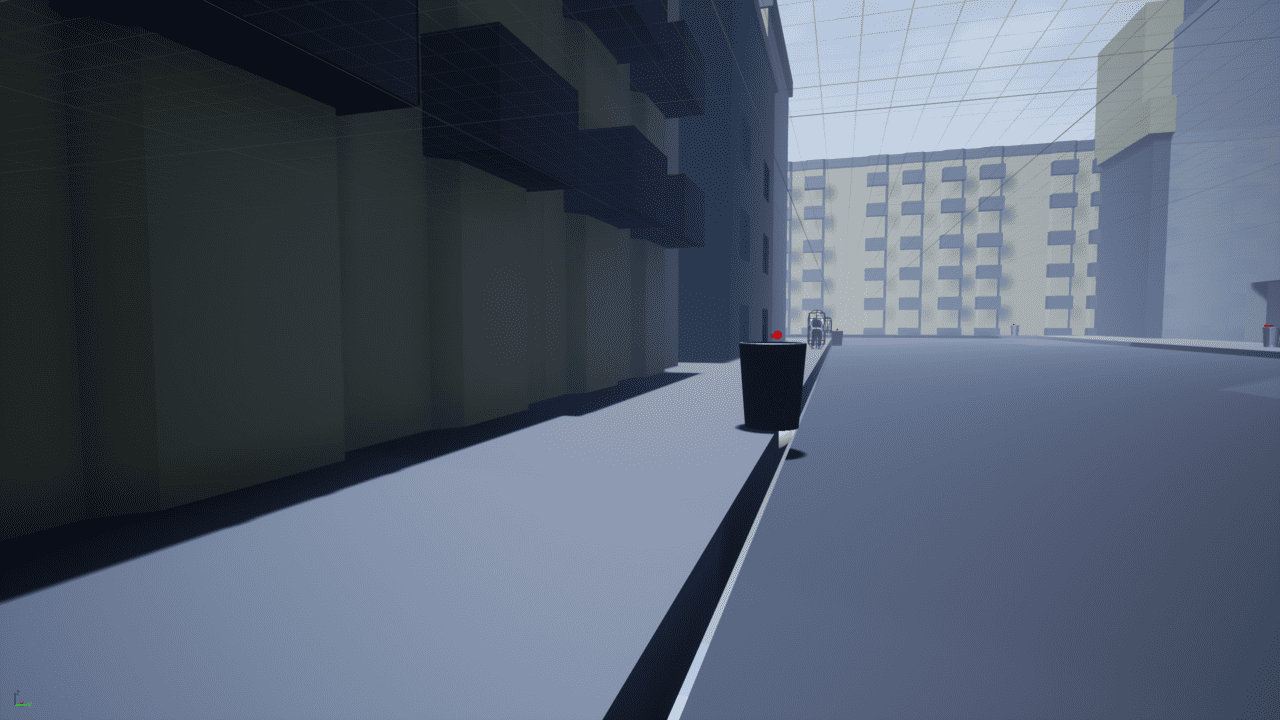
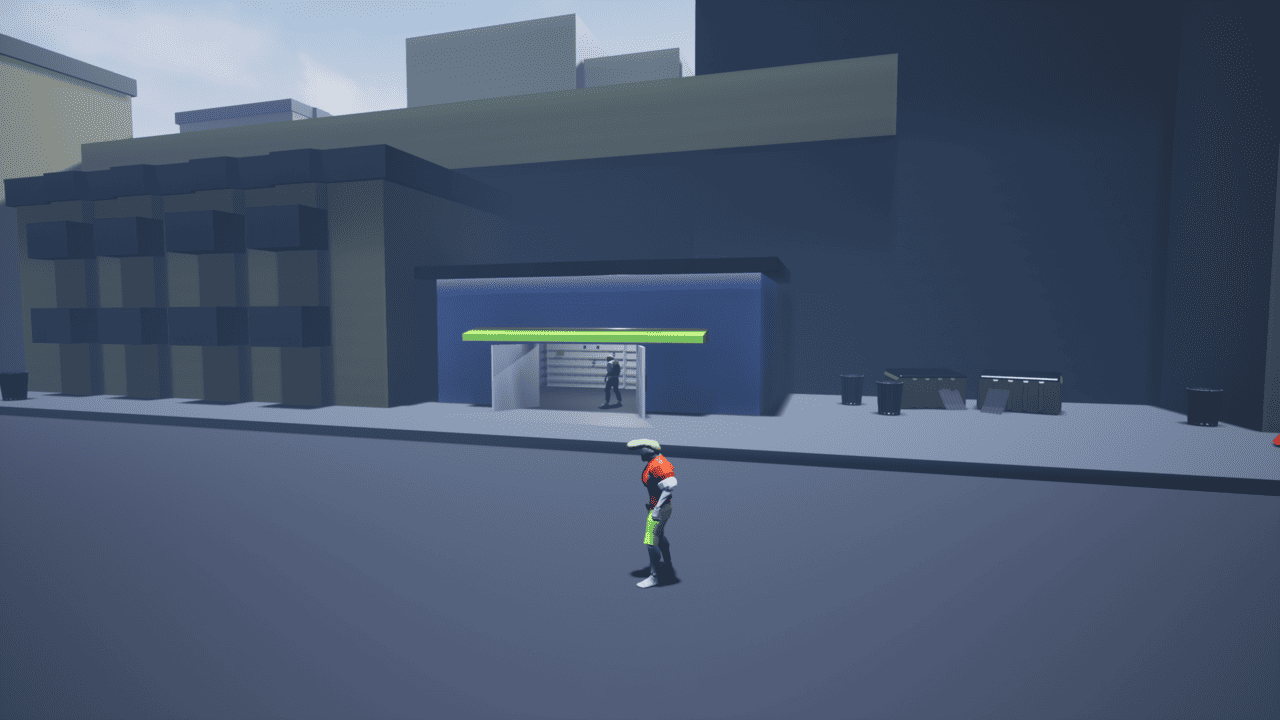
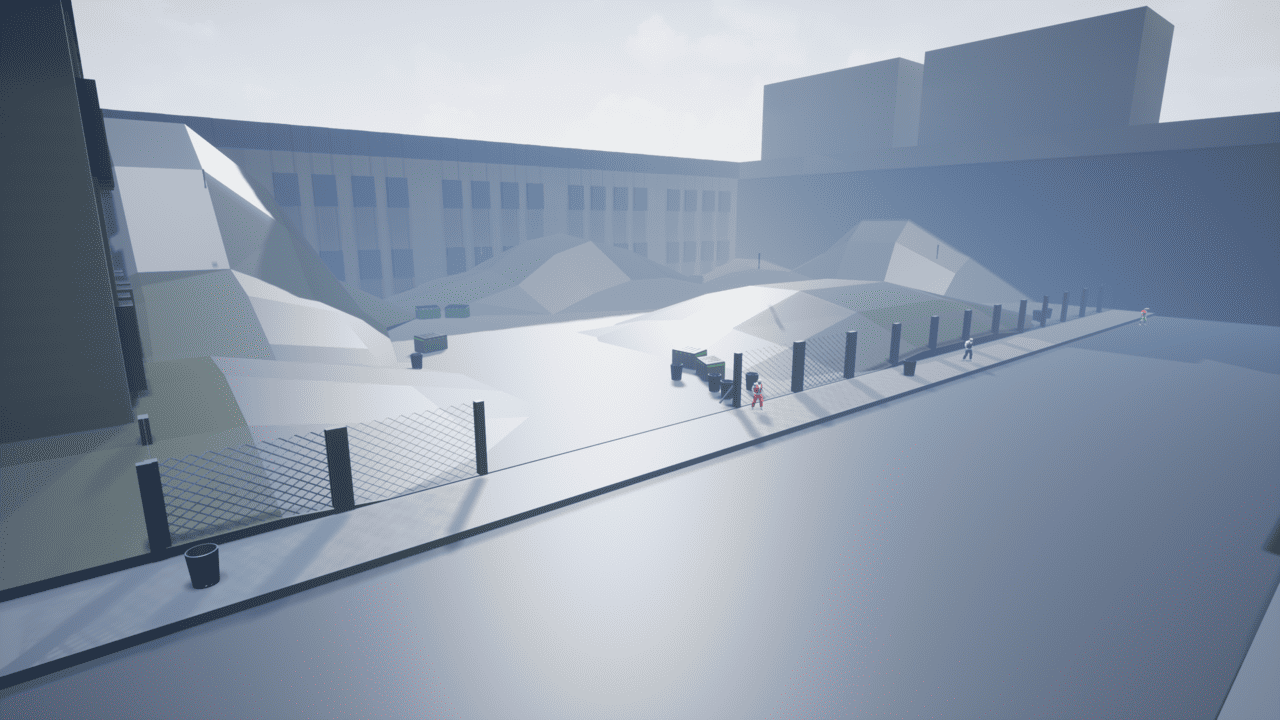
You play as a broke homeless man wandering a small open world, trying to find building materials and basic supplies. Your goal is to build a simple shelter before a cold snap hits.
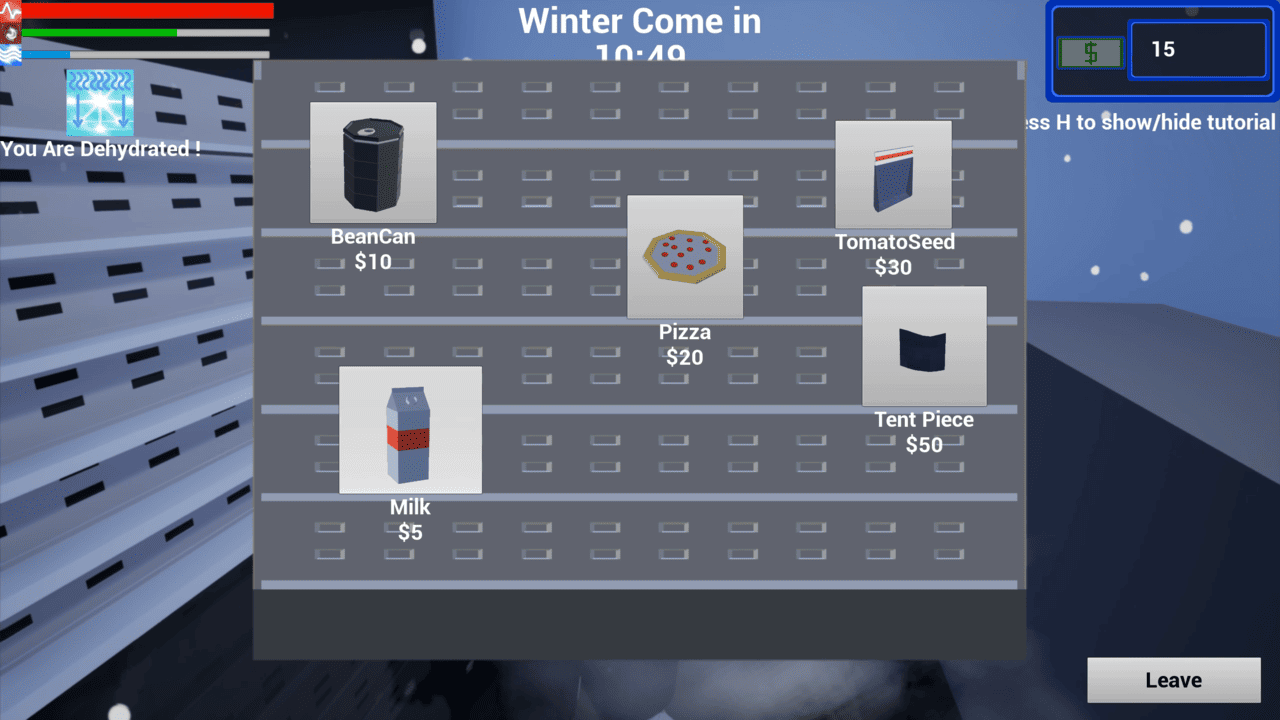
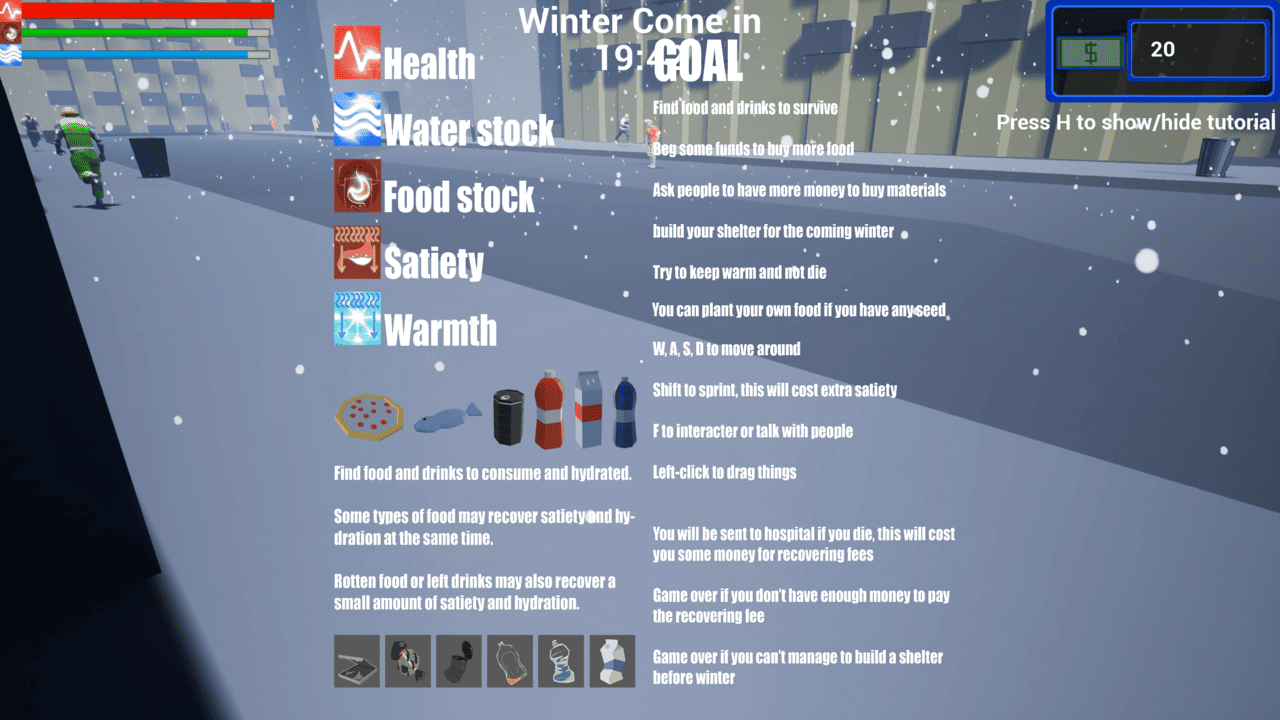
You’ve got three status bars: health, hunger, and thirst. Hunger and thirst drop over time or when you run, and if either hits zero, you’ll start losing health until you die. If you’ve got at least $200 when that happens, you can pay for hospital treatment. If not—it’s game over.
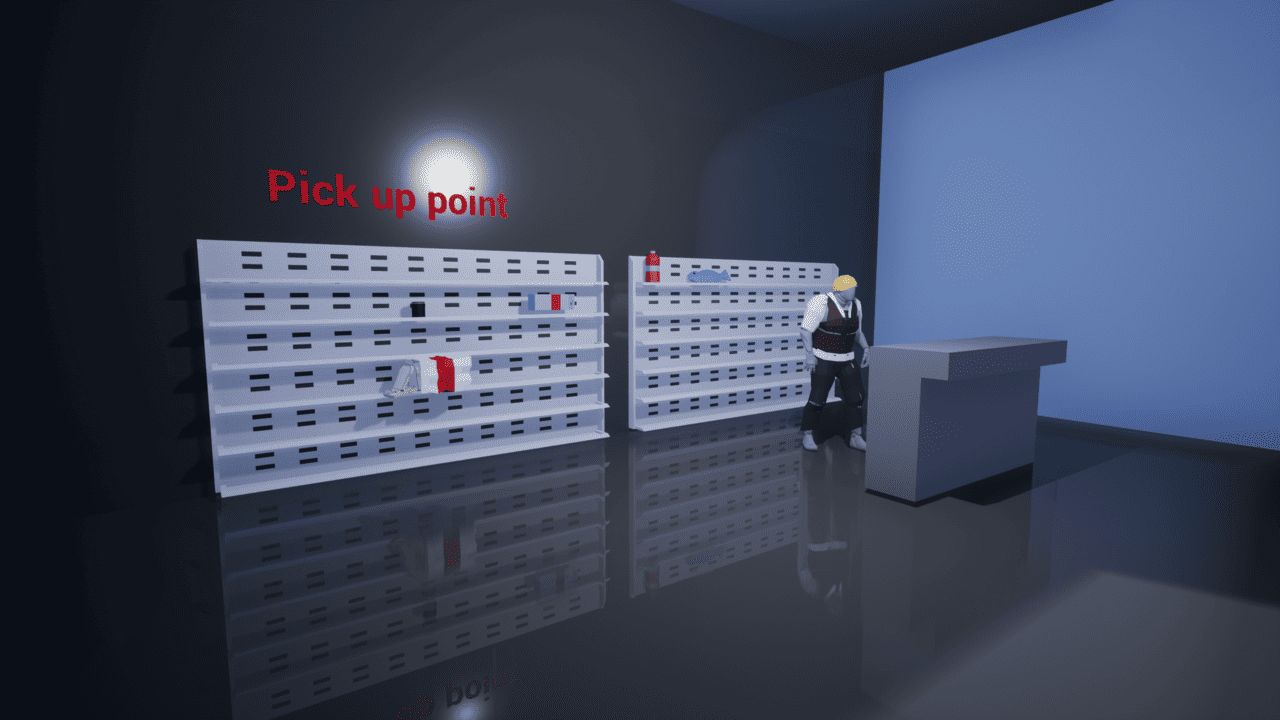
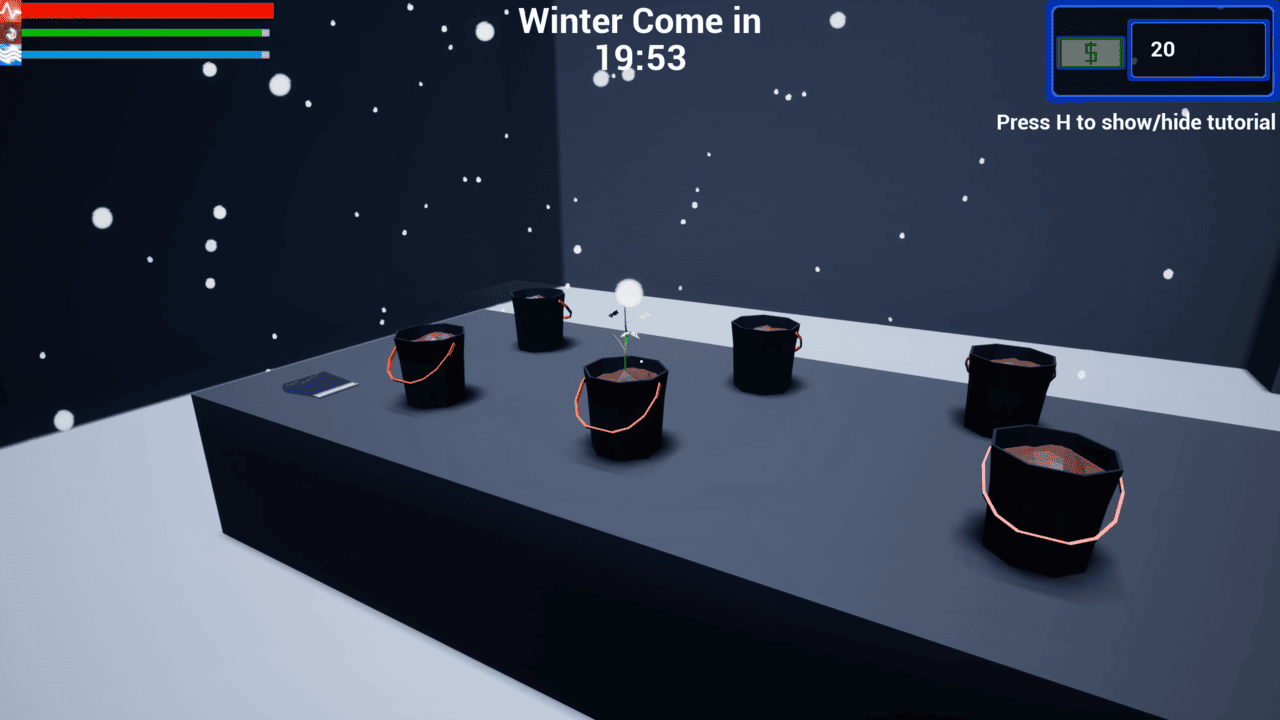
To stay alive, you can dig through rubbish bins or grow fruits and veggies near your shelter to get food and water. You can also talk to passersby—beg for money or ask for tips on where to find building materials. The cash you collect can be spent on food and supplies.
Design Idea:
This week’s topic only required two core mechanics: Combine and Dialog, giving us a lot of design freedom. For Combine, we tied it directly to the goal of building a shelter. Players can drag and snap building pieces together with the mouse to construct their home. This system was an upgrade from the management simulation game I worked on last week, adding more hands-on interaction, spatial awareness, and satisfying visual feedback.
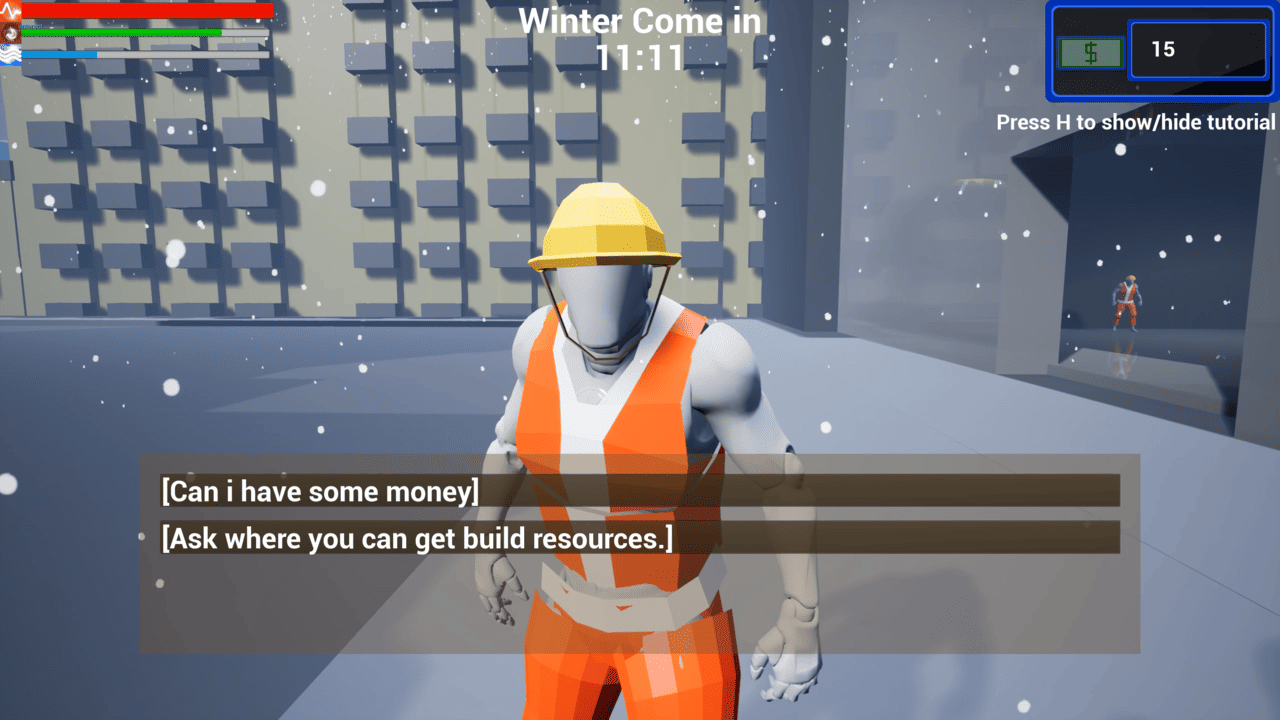
The Dialog system comes into play through interactions with NPCs like pedestrians and shop owners. Players can beg during conversations to get money or tips on where to find building materials. That money can be used to buy food and water to stay alive—also determines whether you can afford hospital treatment if you’re on the brink of death. In this way, the dialog system ties directly into the game’s resource loop and survival pressure, making the experience feel more layered.
